

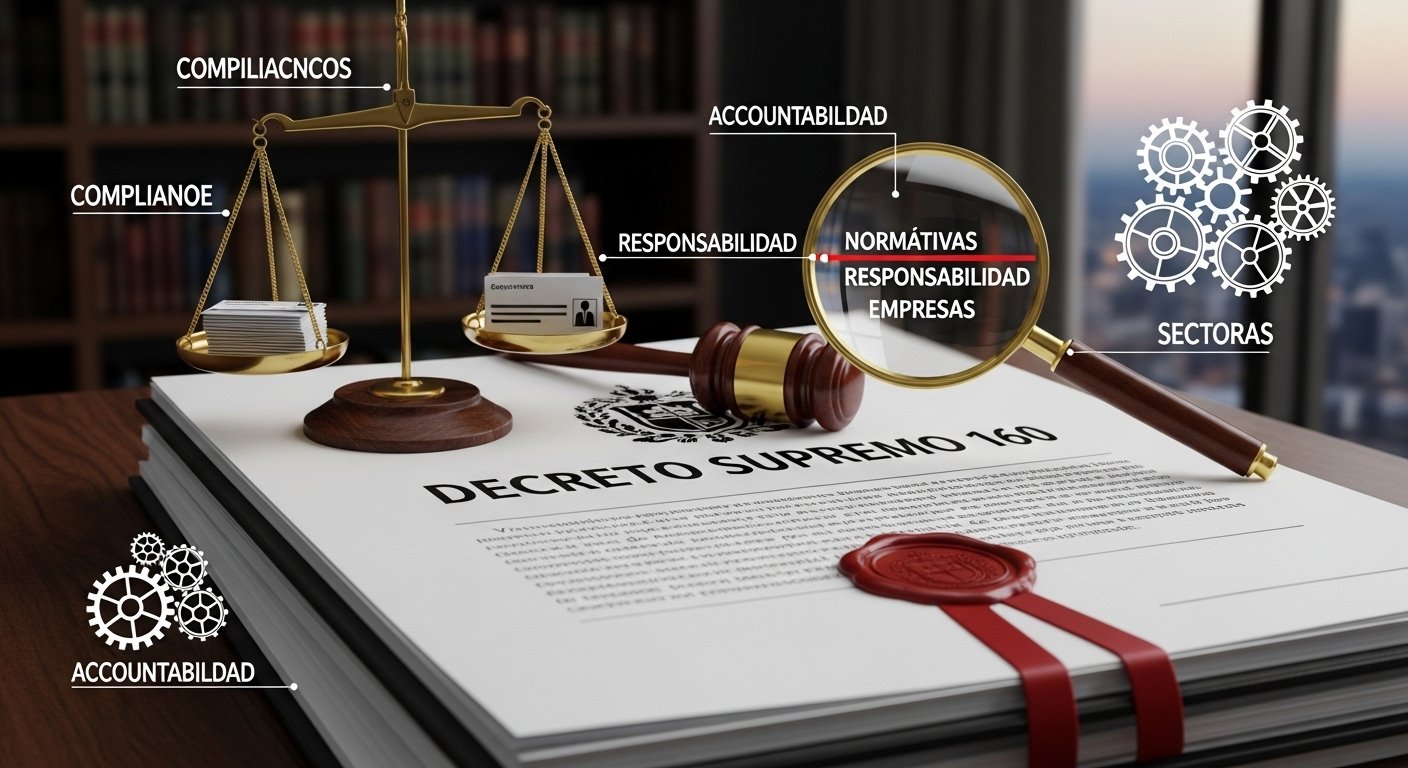
Decreto Supremo 160 has stirred quite the conversation across various sectors. As businesses and individuals grapple with its implications, understanding this decree becomes essential. But what exactly is Decreto Supremo 160? Why should you care about it? This blog post dives into the details, breaking down its key points and exploring how it impacts daily operations and future planning. Whether you’re a business owner or just someone curious about legal changes in your country, getting familiar with Decreto Supremo 160 will equip you with the knowledge to navigate these shifting waters confidently. Let’s unravel this complex topic together!
What is Decreto Supremo 160?
Decreto Supremo 160 is a significant legislative measure enacted in [Country] that addresses various economic and social issues. Its primary aim is to regulate specific sectors while promoting sustainable development.
This decree establishes guidelines for businesses, focusing on environmental protection and resource management. It emphasizes the need for compliance with established standards, ensuring that companies operate responsibly.
Moreover, Decreto Supremo 160 outlines the responsibilities of both public institutions and private entities. This collaborative approach seeks to foster transparency and accountability across all levels of operation.
The decree also highlights the government’s commitment to supporting communities affected by industrial activities. By prioritizing social welfare, it aims to create a balanced relationship between economic growth and societal needs.
Key Points of Decreto Supremo 160
Decreto Supremo 160 introduces several pivotal changes affecting various sectors. It emphasizes regulatory compliance and accountability for businesses.
One key aspect is the enhancement of labor rights, aiming to protect workers in a changing economic landscape. This includes new provisions around working conditions and benefits.
Another important point involves environmental regulations. Companies are now held to stricter standards regarding sustainability practices, pushing them towards greener operations.
Transparency is also a focal element. The decree mandates clearer reporting requirements for organizations, ensuring stakeholders have access to essential information.
Moreover, it encourages collaboration between public and private sectors to foster growth while adhering to legal frameworks. As such, businesses must stay informed about these evolving obligations under Decreto Supremo 160.
Impact of Decreto Supremo 160 on Businesses and Individuals
Decreto Supremo 160 has far-reaching implications for both businesses and individuals. For entrepreneurs, it introduces new compliance requirements that can reshape operational strategies. Companies may need to invest in updated technologies or training programs to meet regulatory standards.
Individuals face a shift in their rights and responsibilities as well. The decree could alter how personal data is handled, emphasizing the importance of transparency and consent. This means people must be more vigilant about their information.
Moreover, the economic landscape might experience fluctuations due to these changes. Market dynamics could shift as businesses adapt to comply with Decreto Supremo 160. Consumers may also feel the effects through potential price adjustments as companies navigate new regulations.
As everyone adjusts, understanding these impacts becomes crucial for navigating this evolving environment effectively.
Understanding the Controversy Surrounding Decreto Supremo 160
Decreto Supremo 160 has stirred significant debate since its introduction. Critics argue that the decree imposes excessive regulations, burdening businesses with compliance costs. This concern resonates particularly among small enterprises that may struggle to adapt.
Supporters, on the other hand, believe the decree is essential for establishing a more equitable framework in industries often plagued by lax oversight. They argue it protects workers’ rights and ensures fair competition.
The political landscape adds another layer of complexity. Various interest groups have voiced their opinions, leading to polarized views across sectors. Some see it as a necessary step toward economic reform, while others perceive it as government overreach.
Social media platforms amplify these discussions, making public sentiment hard to gauge. As stakeholders navigate this controversy, understanding diverse perspectives becomes crucial for informed dialogue about Decreto Supremo 160’s future implications.
Steps to Comply with Decreto Supremo 160
Complying with Decreto Supremo 160 requires a clear understanding of its provisions. First, businesses should familiarize themselves with the full text of the decree. This helps in grasping all obligations and deadlines.
Next, evaluate your current operations against the requirements outlined in the decree. Identify gaps that need addressing to align with compliance standards.
Training staff is crucial for ensuring everyone understands their roles under this new regulation. Conduct workshops or information sessions as part of your compliance strategy.
Document all processes clearly. Keeping accurate records will not only assist with compliance but also provide necessary evidence if required by authorities.
Consider consulting legal experts who specialize in regulatory frameworks related to Decreto Supremo 160. Their guidance can help navigate complexities and ensure you meet all stipulations effectively.
Future Implications of Decreto Supremo 160
The future implications of Decreto Supremo 160 could reshape various sectors significantly. As businesses adapt to the new regulations, we might see a shift in operational practices and compliance strategies.
Innovation may flourish as companies seek efficient ways to meet the requirements laid out in the decree. This could lead to investments in technology that streamline processes while ensuring adherence.
Furthermore, individuals may experience changes in their rights and responsibilities under this legal framework. Awareness campaigns will likely emerge, educating citizens on how these alterations affect their daily lives.
As stakeholders navigate potential challenges, collaboration between government bodies and the private sector will be crucial. Establishing clear communication channels can help mitigate confusion surrounding implementation.
Economic forecasts suggest varying outcomes depending on industry readiness. Companies that proactively embrace these changes stand to gain competitive advantages while those lagging behind risk facing setbacks amid evolving market conditions.
Conclusion
Decreto Supremo 160 has certainly made waves in the regulatory landscape. Understanding its implications is crucial for both businesses and individuals navigating these changes. The key points highlight a shift towards stricter compliance measures, which may require adjustments to existing practices.
The impact on various sectors cannot be underestimated, as companies scramble to adapt while some individuals face challenges in meeting new requirements. Controversy surrounds the decree, with debates about its effectiveness and fairness continuing to unfold.
For those looking to comply effectively, taking proactive steps will be essential. This includes staying informed about updates and adjusting operational strategies accordingly.
Looking ahead, the future implications of Decreto Supremo 160 could reshape how industries operate within this regulatory framework. Remaining adaptable will be vital for success as we move forward into an evolving legal environment shaped by this significant decree.