

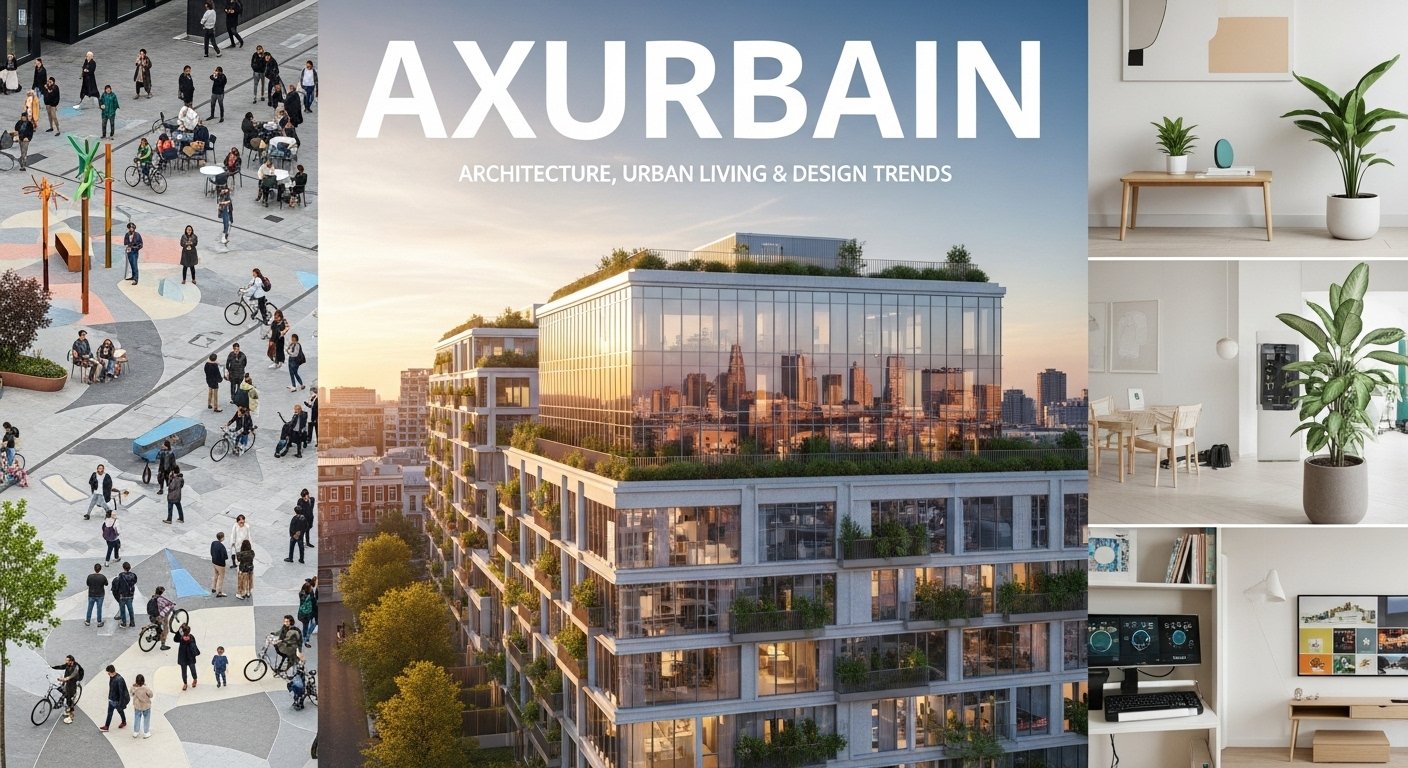
Welcome to the vibrant world of Axurbain, where architecture meets urban living in an exciting dance of design and functionality. As cities continue to grow and evolve, so too does our understanding of how best to create spaces that foster community while providing a stunning backdrop for everyday life. From sleek high-rises piercing the skyline to cozy green parks nestled between bustling streets, Axurbain encapsulates the essence of modern urban environments.
This blog will take you on a journey through the history and evolution of urban architecture, exploring current trends that are shaping our cities today. We’ll delve into sustainable practices transforming our living spaces and examine how technology is revolutionizing what it means to inhabit these areas. With real-world examples highlighting successful Axurbain projects, we will also confront some challenges facing city planners and architects as they strive to balance growth with livability.
Join us as we explore this dynamic field—where design isn’t just about aesthetics but also about enhancing connections within communities!
The History and Evolution of Urban Architecture
Urban architecture has a rich history, deeply intertwined with the growth of civilizations. Ancient cities like Mesopotamia and Rome showcased monumental structures that reflected power and culture.
As societies evolved, so did architectural styles. The Middle Ages ushered in Gothic cathedrals, characterized by intricate designs and soaring spires. These buildings served as spiritual havens while shaping urban skylines.
The Industrial Revolution marked another turning point. Factories emerged alongside tenement housing, giving rise to crowded urban landscapes that prioritized function over aesthetics.
In the 20th century, modernism challenged traditional forms with sleek lines and open spaces. This movement emphasized simplicity and efficiency in both residential and commercial design.
Today’s urban architecture reflects diverse influences from globalization to sustainability trends. Each new era adds layers to our cityscapes, creating a dynamic tapestry of human experience shaped by innovation and necessity.
Current Trends in Urban Design
Urban design is constantly evolving, reflecting the needs and desires of communities. Today, there’s a strong emphasis on mixed-use developments that combine residential, commercial, and recreational spaces. This approach fosters vibrant neighborhoods where people can live, work, and play in close proximity.
Biophilic design is gaining traction too. Incorporating natural elements into urban settings not only enhances aesthetics but also promotes well-being. Green roofs and living walls are becoming staples in city landscapes.
Walkability remains a priority as cities strive to reduce reliance on cars. Pedestrian-friendly infrastructure encourages healthier lifestyles while reducing traffic congestion.
Moreover, inclusivity plays a vital role in modern urban design. Planners are focusing on creating accessible spaces for everyone—regardless of age or ability—ensuring that public areas cater to diverse populations.
Adaptive reuse projects are also trending as architects breathe new life into old buildings, preserving history while meeting contemporary needs.
Sustainable Architecture and its Impact on Urban Living
Sustainable architecture is reshaping urban living in profound ways. It prioritizes eco-friendly materials, energy efficiency, and minimal waste. This approach not only conserves resources but also enhances the quality of life for city dwellers.
Green roofs and vertical gardens are becoming staples in urban design. They provide insulation while promoting biodiversity within concrete jungles. These features help mitigate heat islands, improving overall air quality.
Natural light plays a crucial role too. Designers focus on maximizing daylight through large windows and open spaces, reducing reliance on artificial lighting.
Water conservation systems like rainwater harvesting are gaining traction as well. Urban buildings that incorporate these methods contribute significantly to sustainability goals.
The integration of nature into architectural designs fosters community engagement, creating inviting public spaces that encourage interaction among residents. This shift marks a new era where urban environments harmonize with human needs and ecological balance.
The Role of Technology in Shaping Urban Spaces
Technology is revolutionizing urban spaces in ways we never imagined. Smart city initiatives are leading the charge, utilizing data analytics to enhance infrastructure and public services.
Internet of Things (IoT) devices are scattered throughout cities. They collect real-time data on traffic flow, air quality, and energy usage. This information allows for informed decision-making that can reduce congestion and improve overall urban living conditions.
Digital platforms also facilitate community engagement. Residents can voice their concerns or suggest improvements through apps designed specifically for local governance.
Moreover, augmented reality (AR) is transforming how people interact with their environments. From virtual tours of new developments to interactive historical overlays in public parks, technology enriches our understanding of urban landscapes.
In architecture, building information modeling (BIM) streamlines design processes. It enhances collaboration among architects, engineers, and contractors while minimizing costly errors during construction phases.
Case Studies: Successful Examples of Axurbain Projects
One standout example of Axurbain in action is the High Line in New York City. This elevated park transformed an old railway line into a thriving green space. It seamlessly blends nature with urban life, attracting millions of visitors each year.
In Barcelona, the 22@ district showcases innovation through repurposed industrial spaces. It’s a vibrant hub for tech startups and cultural events, highlighting how adaptive reuse can invigorate neighborhoods.
Over in Singapore, the Marina Bay Sands integrates leisure and luxury within its stunning architecture. The development encourages communal interaction while promoting sustainability through green roofs and energy-efficient systems.
These projects demonstrate that Axurbain isn’t just about aesthetics; it’s about creating functional spaces that enhance community well-being and foster connections among residents. Each case illustrates diverse approaches to urban living while prioritizing both design and practicality.
Challenges and Controversies Surrounding Urban Development
Urban development often sparks heated debates among stakeholders. Communities may feel sidelined as projects take shape, raising questions about inclusivity and representation.
Gentrification is another pressing concern. As neighborhoods evolve, long-time residents might be pushed out due to rising costs and changing dynamics. This shift can lead to a loss of cultural identity that many cherish.
Environmental issues also loom large in urban planning discussions. Balancing growth with green spaces is crucial but challenging. Developers must navigate the fine line between progress and preserving ecosystems.
Moreover, regulatory hurdles can stall innovation. Zoning laws often lag behind contemporary needs, hindering creative solutions for housing shortages and transportation woes.
Public opinion plays a significant role in shaping urban landscapes. Engaging citizens early on fosters trust but can complicate decision-making processes when diverse voices clash.
Future Predictions for the Field of Axurbain
As we look ahead, Axurbain is poised to transform urban landscapes significantly. The integration of smart technology will redefine how cities function. From intelligent traffic systems to energy-efficient buildings, innovation will enhance everyday life.
Urban spaces may increasingly prioritize green areas and biodiversity. Vertical gardens and rooftop parks are likely to become common features in city design. This shift towards nature reflects a growing understanding of mental health benefits linked to green environments.
Community-driven initiatives will also rise in importance. Residents might play a more active role in shaping their neighborhoods through participatory designs.
Moreover, modular construction techniques could revolutionize the building process, allowing for faster development while minimizing waste. Emerging materials like bio-concrete offer exciting possibilities for sustainable practices moving forward.
These changes promise an exciting era for Axurbain that not only addresses current challenges but anticipates future needs as well.
The Importance of Integrating Design, Function, and Community
The landscape of urban living is constantly evolving. Integrating design, function, and community lies at the heart of successful Axurbain projects. Thoughtful architecture can enhance not only aesthetics but also livability. When buildings serve their purpose effectively, they contribute to a vibrant urban ecosystem.
Communities thrive when spaces are designed with people in mind. Parks encourage social interactions while mixed-use developments support local economies. Each element plays a role in fostering connections among residents.
Moreover, sustainable practices ensure that these designs meet current needs without compromising future generations’ ability to enjoy them. Eco-friendly materials and energy-efficient systems become essential components of modern architectural projects.
As urban areas continue to grow, prioritizing the integration of thoughtful design and functionality will be key to creating inclusive environments where everyone feels welcome. The synergy between buildings and their surrounding communities shapes our experiences within these spaces.
Axurbain represents more than just architecture; it’s about crafting an enriching lifestyle for all who inhabit these dynamic environments.