

In a world overflowing with brands clamoring for attention, how do you ensure yours stands out? The answer lies in the art and science of brand name normalization. Imagine trying to sift through mountains of data while grappling with inconsistent brand names—it’s a recipe for confusion.
Brand name normalization rules are your guiding light in this complex landscape. They help streamline your data, ensuring that every mention of your brand is consistent and easily recognizable. This not only enhances customer experience but also boosts operational efficiency.
But what exactly does effective brand name normalization entail? Join us as we delve into the intricacies of these essential rules, exploring their significance in data management and providing actionable insights to improve your own branding strategy. Let’s unlock the secrets to crafting an unmistakable identity in today’s competitive market!
Understanding Brand Name Normalization
Brand name normalization is the process of standardizing brand names across various platforms and databases. This ensures that every instance of a brand is represented consistently, regardless of where or how it appears.
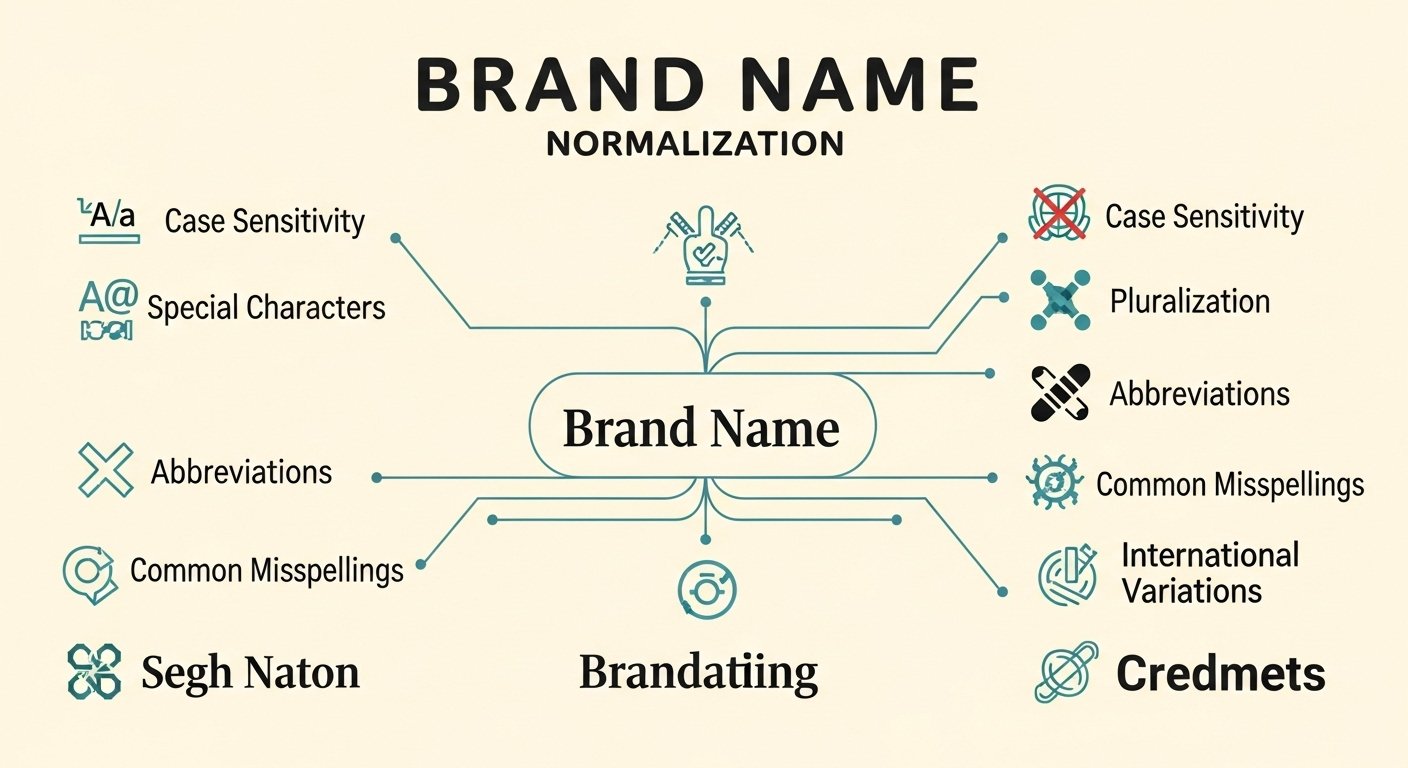
Why is this important? The digital landscape is filled with variations. Think abbreviations, misspellings, or even different formats like “Nike” versus “NIKE.” These discrepancies can lead to confusion and miscommunication among consumers.
By implementing normalization rules, businesses create a single source of truth for their brand identity. It enhances searchability and reliability in data management systems.
Understanding these nuances isn’t just about aesthetics; it’s crucial for maintaining brand integrity. When customers can easily recognize your brand without ambiguity, you build trust and loyalty—essential ingredients in today’s competitive market landscape.
The Importance of Brand Name Normalization in Data Management
Brand name normalization plays a vital role in data management. It ensures that all variations of a brand are represented consistently across databases. This uniformity simplifies data analysis and enhances reporting accuracy.
When companies gather data from various sources, inconsistencies can arise. A single brand might be listed as “Coca-Cola,” “Coke,” or even “Coca Cola.” These discrepancies can lead to fragmented insights and misinformed decisions.
By standardizing brand names, organizations foster better communication within teams. Clear naming conventions facilitate collaboration between departments, making it easier to share information without confusion.
Moreover, effective brand name normalization aids in customer relationship management (CRM). Knowing exactly which brands customers engage with allows for targeted marketing efforts and improved customer experiences.
As businesses grow and evolve, maintaining consistency in how they reference their brands becomes essential for long-term success.
Common Mistakes and Challenges with Brand Name Normalization
Brand name normalization can be tricky, and many businesses stumble along the way. One common mistake is ignoring variations in spelling. Brands often have multiple spellings or abbreviations that can confuse data systems.
Another challenge arises from inconsistent application of rules across departments. When different teams use their own criteria for brand names, discrepancies can lead to chaos in reports and insights.
Failing to account for regional differences also poses a problem. A brand may be known by one name in one region but completely different elsewhere, leading to missed opportunities or misinterpretations.
Some organizations underestimate the importance of continuous updates. As brands evolve, so should your normalization rules; neglecting this aspect can create outdated records that hinder decision-making processes.
Best Practices for Implementing Brand Name Normalization Rules
When implementing brand name normalization rules, clarity is key. Start by defining a standard format that works for your organization. This could involve specifying font styles, capitalization, and punctuation.
Next, consider creating a reference guide that outlines the approved names and variations of each brand. Such a document ensures everyone on your team follows the same guidelines.
Incorporating automation tools can significantly ease the process. Use software solutions that assist in detecting inconsistencies across databases or platforms.
Regular audits are essential as well. Schedule periodic reviews to ensure compliance with established norms and make necessary adjustments over time.
Engage your team in training sessions focused on these practices. Educated staff members will be more vigilant and effective at maintaining consistency in brand representation across all channels.
Examples of Successful Brand Name Normalization Strategies
One standout example of successful brand name normalization comes from a leading e-commerce platform. They implemented a centralized database that standardized various product names across multiple vendors. This unified approach minimized confusion among customers, enhancing their shopping experience.
Another case is a multinational beverage company that faced inconsistencies in naming its products across regions. By adopting clear guidelines for brand name usage, they reinforced brand identity and improved recognition globally.
A tech giant also made strides by developing an automated system to detect discrepancies in brand names within user-generated content. This proactive measure ensured accurate representation and boosted trustworthiness among users.
Each strategy illustrates the power of cohesive branding through normalization, demonstrating how consistency can drive engagement and loyalty while reducing operational hurdles.
How to Create Customized Brand Name Normalization Rules for Your Business
Creating customized brand name normalization rules starts with understanding your unique data landscape. Begin by analyzing the variations in how brand names are presented within your records. Identify common discrepancies, such as abbreviations, misspellings, or different formats.
Next, establish a standard naming convention that suits your business needs. This could mean deciding whether to use full names or accepted abbreviations consistently across all platforms.
Engage key stakeholders from marketing and sales teams to gather insights on branding preferences. Their input is essential for creating rules that reflect how customers perceive your brands.
Once the foundational rules are set, implement a testing phase. Apply these norms to a sample dataset and review results carefully. Adjust based on feedback and performance metrics until you achieve consistency.
Regularly revisit and refine these rules as new brands emerge or existing ones evolve in the market landscape. Adaptability is crucial for maintaining effective brand name normalization over time.
The Future of Brand Name Normalization in Data Management
As businesses continue to generate vast amounts of data, the future of brand name normalization looks promising yet complex. Advanced technologies like artificial intelligence and machine learning are paving the way for smarter normalization processes.
With these tools, companies can automate brand recognition and standardization, reducing human error significantly. This means quicker updates and more accurate datasets.
The rise of e-commerce also emphasizes the need for consistent branding across platforms. Consumers expect seamless experiences, making effective brand name normalization crucial.
Moreover, emerging regulations around data privacy will shape how brands manage their information. Companies must adapt their strategies to comply while maintaining integrity in their branding efforts.
Collaboration between departments will be essential as well. Marketing teams must work closely with IT to ensure that brand names are consistently represented across all channels.
Conclusion
Brand name normalization rules play a crucial role in data management, ensuring consistency and accuracy across your datasets. As businesses grow and evolve, the need for well-defined brand name normalization strategies becomes even more apparent. By understanding these rules and implementing best practices, organizations can mitigate common challenges that arise from inconsistent brand naming.
Adopting successful normalization strategies not only enhances data integrity but also improves customer experience by providing clear communication. The future of data management will undoubtedly see continued emphasis on effective brand name standardization as companies strive to harness the power of their data fully.
Navigating this complex landscape may seem daunting at first. Yet with thoughtful implementation tailored to your specific needs, you can create a robust framework that supports growth while maintaining clarity in branding. Embracing these practices positions your business for success in an increasingly competitive market where accurate information is key to making informed decisions.