

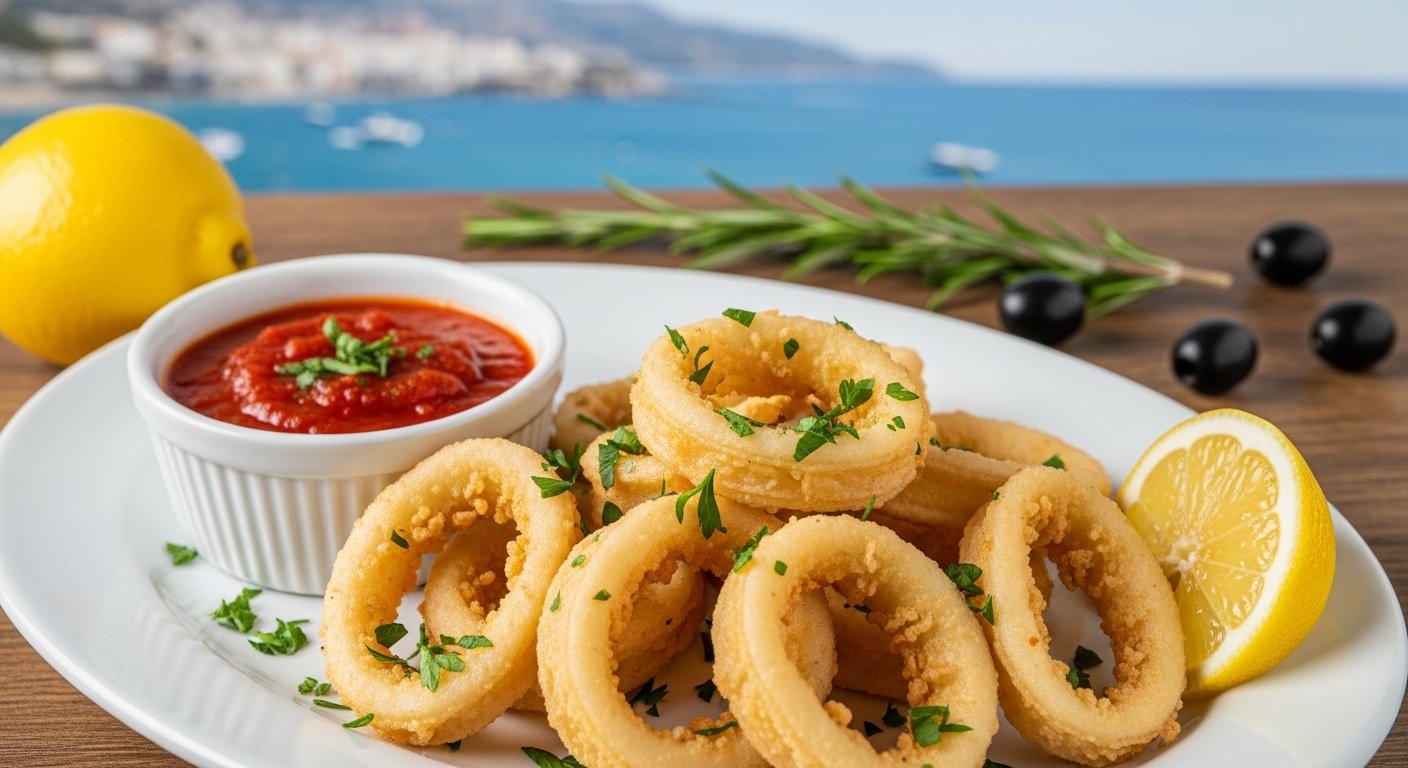
Calamariere is a culinary treasure rooted deeply in Mediterranean cuisine, particularly within Italian coastal regions. At its core, Calamariere is a celebration of squid — a versatile seafood ingredient that has graced tables for centuries. Its simplicity, freshness, and adaptability make it not only a traditional dish but also a canvas for modern culinary innovation. For food lovers who appreciate seafood, Calamariere embodies the perfect blend of tradition, flavor, and creativity.
Origins and Historical Background
The origins of Calamariere can be traced to the sun-soaked Mediterranean coasts where fishing has been central to local culture and cuisine for centuries. Coastal communities, from Southern Italy to the shores of Greece and Spain, have long relied on the abundant marine life surrounding them. Squid, known for its firm texture and mild flavor, became a staple ingredient due to its availability and versatility.
In Italy, especially in regions like Sicily and Campania, squid was prepared in ways that highlighted its natural taste. Early recipes were often simple: fresh squid, olive oil, garlic, and herbs, served either grilled, fried, or stewed. Over time, these traditional methods evolved into a dish that balanced rustic charm with culinary finesse — this is how modern Calamariere came to be recognized.
Ingredients: Freshness is Key
What sets Calamariere apart is its emphasis on fresh, high-quality ingredients. The main star is, of course, squid. Ideally, chefs and home cooks alike choose squid that is firm, glossy, and free from strong odors, ensuring the delicate flavors are preserved during cooking.
Supporting ingredients are often minimal but essential. Garlic, parsley, olive oil, lemon, and a hint of chili or black pepper are commonly used to accentuate the squid’s natural taste without overpowering it. Some variations include white wine or tomatoes to add depth to the dish, while others incorporate breadcrumbs or cheese for a slightly richer texture. The philosophy is clear: let the freshness of the seafood shine.
Cooking Methods
Calamariere is known for its versatility in preparation, offering both simple and sophisticated approaches. The most traditional method involves quickly sautéing squid with garlic and olive oil, garnished with freshly chopped parsley. This method keeps the squid tender and allows its subtle flavors to stand out.
Another popular preparation is frying. Coated in a light batter or simply dusted with flour, squid rings are fried until golden and crispy. This variation is beloved in coastal towns for its textural contrast — the crunch of the exterior against the tender squid inside.
Grilling is also common, especially in modern interpretations of Calamariere. Whole squid or large rings are grilled over an open flame, imparting a smoky flavor that complements the natural sweetness of the squid.
In each method, timing is crucial. Overcooking squid can turn it rubbery, so precise heat and attentive cooking are essential skills for any chef preparing Calamariere.
Flavor Profile
The charm of Calamariere lies in its delicate yet vibrant flavor profile. The squid provides a subtle sweetness, which pairs beautifully with the savory notes of garlic and the fresh, herbal brightness of parsley. Olive oil adds richness without heaviness, while a squeeze of lemon introduces a refreshing acidity.
For those who enjoy a hint of spice, crushed chili flakes or black pepper enhance the dish without overshadowing the squid. The simplicity of the seasoning allows the freshness of the seafood to remain the centerpiece, creating a dish that is both comforting and elegant.
Cultural Significance
In Mediterranean culture, seafood dishes like Calamariere are more than just meals; they represent community, tradition, and a connection to the sea. In Italian coastal towns, sharing a plate of Calamariere during family gatherings or festive occasions is a common practice. It embodies the Mediterranean lifestyle — fresh, wholesome ingredients, shared with loved ones, and enjoyed slowly.
Moreover, Calamariere highlights the resourcefulness of coastal communities. Using local, seasonal ingredients, people transformed simple seafood into dishes that became cultural staples, passed down through generations.
Modern Twists and Culinary Innovation
While Calamariere remains rooted in tradition, modern chefs have embraced innovation, exploring new flavor combinations and techniques. Some contemporary versions include marinating the squid in citrus and herbs before grilling or pairing it with exotic ingredients like saffron, capers, or roasted bell peppers.
Fusion cuisine has also welcomed Calamariere, integrating it into dishes like pasta, risotto, and even tacos, blending Mediterranean flavors with global culinary trends. Despite these creative interpretations, the essence of the dish — fresh, flavorful squid — remains unchanged.
Pairing and Serving Suggestions
Calamariere is versatile not only in preparation but also in serving. Traditionally, it pairs wonderfully with crisp white wines such as Vermentino or Pinot Grigio, which complement the seafood without overpowering it. Light, herbaceous wines accentuate the freshness of the squid, while a dry rosé can provide a subtle fruity balance.
Side dishes often include simple salads, grilled vegetables, or crusty bread, allowing diners to savor the dish fully. In more elaborate presentations, Calamariere can be served alongside lemon-infused risotto or paired with tomato-based sauces, showcasing its adaptability in both casual and fine dining settings.
Health Benefits
Calamariere is not only flavorful but also nutritious. Squid is a low-calorie source of protein, rich in vitamins and minerals such as vitamin B12, zinc, and selenium. Olive oil, garlic, and fresh herbs further enhance the dish’s health benefits, promoting heart health and offering antioxidant properties. For those seeking a diet rich in lean protein and omega-3 fatty acids, Calamariere is an excellent choice.
Conclusion
Calamariere stands as a shining example of Mediterranean culinary artistry — simple yet sophisticated, traditional yet versatile. Its reliance on fresh squid, minimal seasoning, and careful cooking reflects a deep respect for ingredients and technique. From the sun-drenched coasts of Italy to modern kitchens around the world, this dish continues to delight seafood enthusiasts with its vibrant flavors and cultural significance.
Whether enjoyed in a rustic seaside trattoria or prepared at home for a family dinner, Calamariere invites diners to experience the essence of the Mediterranean: fresh, flavorful, and rooted in centuries of culinary tradition. For anyone passionate about seafood, it is a dish that promises both comfort and culinary adventure, celebrating the timeless appeal of fresh squid and the coastal flavors that make it unforgettable.