

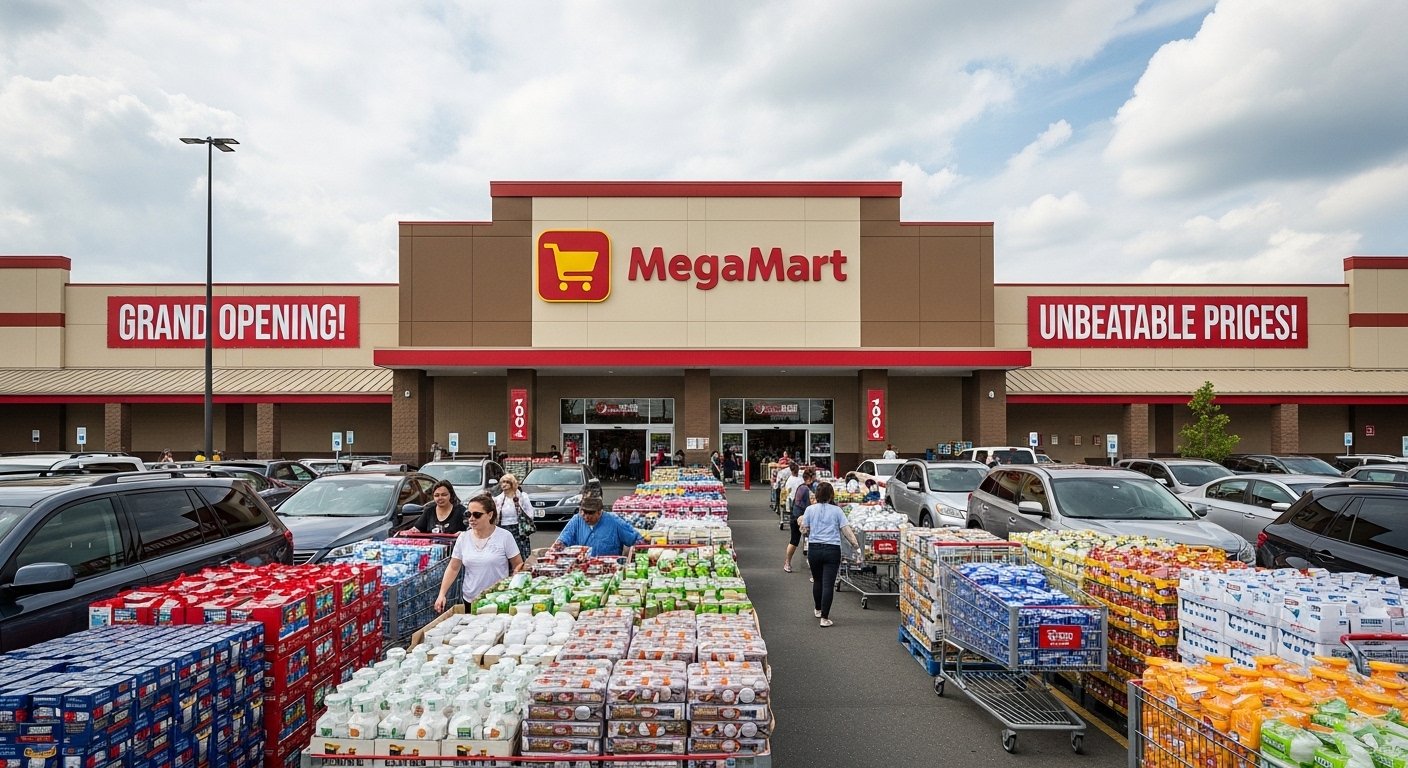
The world of big-box retail is about to get even more exciting. A major competitor has just unveiled its latest megastore, aiming to shake up the shopping landscape and challenge established juggernauts like Costco. This new launch not only promises a whirlwind of products but also sparks fresh competition in a market already brimming with options. As consumers gear up for this new experience, local businesses watch closely, wondering how this shift will impact their livelihoods. Let’s dive into what this megastore means for shoppers and retailers alike as the battle for your shopping dollars heats up.
History and Background of the Rival Company
Founded in the late 1980s, this rival company quickly carved out a niche in the retail space. Its innovative approach focused on bulk sales and membership models, similar to Costco but with distinct differences.
Over the years, it expanded from a single store into a nationwide network of warehouses. The company has continually adapted its business strategy to meet consumer demands and embrace technological advancements.
A key element of their growth involved forging partnerships with various suppliers. This allowed them to offer exclusive products that attracted customers seeking variety alongside value.
The company’s commitment to sustainability also emerged as a cornerstone of its brand identity. By emphasizing environmentally friendly practices, they appealed to an increasingly eco-conscious shopper base.
This evolution laid the groundwork for today’s megastore launch—a significant milestone aimed at redefining big-box retail dynamics once again.
Comparison of Costco and the New Megastore
Costco and the new megastore share a common ground as big-box retailers, yet they present distinct shopping experiences. Costco thrives on its membership model. Shoppers pay an annual fee for access to bulk products at discounted prices. This creates a sense of exclusivity.
On the other hand, the megastore aims to attract a wider audience with no membership requirement. It positions itself as a one-stop shop for everyday needs without additional costs upfront.
In terms of product variety, both giants boast extensive selections. However, Costco often focuses on quality over quantity with its curated inventory, while the megastore emphasizes broad diversity across various categories.
Price competitiveness is another battleground. While Costco leverages its buying power to keep prices low, the new player may use promotional tactics and frequent sales to draw in customers regularly. Each approach reflects their unique strategies in appealing to different shopper demographics.
Impact on Local Businesses and Small Retailers
The launch of the new megastore inevitably sends ripples through local economies. Small retailers face immediate pressure as they compete with vast inventories and lower prices.
Local businesses often rely on loyal clientele. With a larger competitor in town, some customers may be tempted to visit the megastore for convenience or perceived savings. As foot traffic shifts, small shops might see declines in sales.
Yet, not all is bleak. Some locals appreciate unique offerings that only independent stores provide. The personal touch and specialized products can still attract customers who value quality over quantity.
In response to heightened competition, many small retailers are exploring innovative strategies. Enhanced customer service and community engagement efforts become crucial as they strive to retain their customer base amidst the market shift.
Response from Costco and Other Competitors
Costco’s response to the launch of its rival’s megastore has been both strategic and proactive. Executives are closely monitoring customer reactions and adjusting their offerings accordingly. They’ve ramped up promotions, focusing on member-exclusive deals that emphasize value.
Other competitors have also taken notice. Retail giants like Walmart and Target are not sitting idle either. They’re enhancing their own services to attract shoppers who may be tempted by the new megastore’s allure.
Some smaller chains are looking for ways to differentiate themselves in this crowded landscape. Emphasizing personalized service and community involvement seems vital as they navigate this evolving market.
The competitive atmosphere is charged with innovation as each player seeks a unique angle to draw customers in while maintaining loyalty among existing members.
Pros and Cons of the Megastore Model
The megastore model offers several advantages for shoppers. For one, it provides a vast selection of products under one roof. This convenience saves time and makes it easy to compare prices.
On the flip side, these massive stores can lead to overwhelming choices. Customers may find themselves lost in aisles filled with endless options, which can detract from the shopping experience.
Cost efficiency is another pro; large-scale retailers usually benefit from bulk purchasing. This often translates to lower prices for consumers, making essentials more affordable.
However, this price advantage comes at a cost. Local businesses struggle to compete with such low pricing and extensive inventory, leading to potential community economic decline.
While megastores focus on mass appeal, they sometimes lack unique or specialized items that smaller shops offer. Shoppers seeking personalized service may feel overlooked amidst the hustle and bustle of a gigantic retail space.
Future Predictions for Big-Box Retail Competition
The future of big-box retail is poised for significant transformation. As consumer preferences shift, companies must adapt or risk obsolescence. The rise of online shopping continues to reshape how people buy goods, and brick-and-mortar locations need to enhance the in-store experience.
We might see more megastores integrating technology like augmented reality and AI. These innovations could revolutionize product displays and personalized shopping experiences.
Sustainability will also play a crucial role. Brands that prioritize eco-friendly practices may attract a growing demographic focused on ethical consumption.
Competition will become fiercer as retailers explore new markets while solidifying their current bases. Partnerships between various industries could emerge, creating hybrid shopping environments that blend traditional retail with digital conveniences.
As these changes unfold, agility in business strategies will be essential for survival amidst evolving consumer demands.
Conclusion
The launch of this megastore by Costco’s rival marks a pivotal moment in the big-box retail landscape. As competition heats up, consumers stand to benefit from both price wars and an expanded selection of products. Local businesses may face challenges as these giants expand, but there’s potential for innovation among smaller retailers too.
With major players adjusting their strategies, it will be interesting to see how they respond to this new store format. The pros and cons of such a megastore model will likely shape the future of retail dynamics—offering convenience while posing risks for traditional shops.
As we move forward, keeping an eye on how these changes affect consumer behavior and local economies will provide valuable insights into the evolving world of big-box retail. The competitive spirit ignited by this launch could lead to exciting developments that reshape our shopping experiences.