

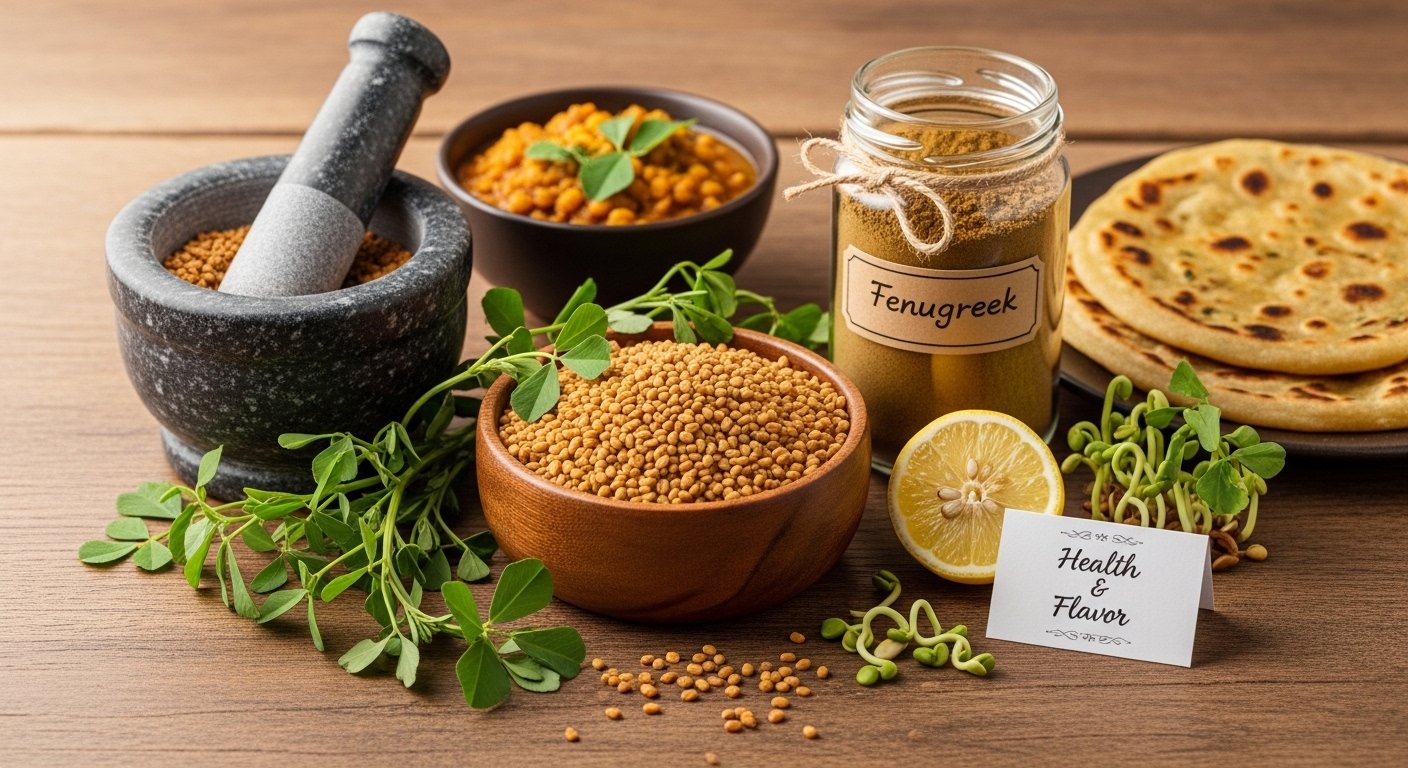
Foenegriek, also known as fenugreek, is a herb that has been celebrated for centuries—not just for its distinct flavor but also for its impressive health benefits. With origins tracing back to ancient civilizations in the Mediterranean and Asia, this versatile plant is making a comeback in modern kitchens and wellness routines. Whether you’re looking to spice up your culinary creations or enhance your well-being, foenegriek offers a delightful combination of taste and nutrition that’s hard to resist. Let’s explore what makes this herb so special!
The History and Origin of Foenegriek
Foenegriek has a rich history steeped in tradition. This herb dates back to ancient Egypt, where it was used not only as food but also for medicinal purposes. In fact, foenegriek seeds were found in the tomb of King Tutankhamun, highlighting its significance.
The plant is native to regions spanning from the Mediterranean to Asia. It thrived in warm climates and became integral to various culinary traditions. The Greeks and Romans valued it for both flavoring dishes and its health-enhancing properties.
As trade routes expanded, foenegriek made its way into Indian cuisine, becoming a staple ingredient in many regional dishes. Its unique taste contributed to spice blends like garam masala, showcasing its adaptability across cultures. Today, this herb continues to be revered worldwide for both its deliciousness and therapeutic benefits.
Nutritional Value and Health Benefits of Foenegriek
Foenegriek, also known as fenugreek, is a powerhouse of nutrition. It’s packed with essential vitamins and minerals that support overall health. Just a small serving can provide significant amounts of iron, magnesium, and manganese.
This herb is particularly renowned for its high fiber content. Fiber aids digestion and helps maintain healthy blood sugar levels.
Moreover, foenegriek has been shown to have anti-inflammatory properties. This makes it beneficial for those suffering from chronic inflammation or digestive issues.
Some studies suggest that foenegriek may boost testosterone levels in men and improve libido in women. Its phytoestrogen compounds mimic estrogen in the body, which can be helpful during menopause.
With antioxidants present in this herb, it plays a role in fighting free radicals too. Regular consumption may even enhance heart health by lowering cholesterol levels.
Culinary Uses of Foenegriek
Foenegriek, also known as fenugreek, adds a unique twist to various dishes. Its slightly bitter and nutty flavor makes it a favorite among chefs.
In Indian cuisine, it’s often used in curries and dals. The seeds can be toasted for added depth or ground into powder for spice blends like garam masala.
Middle Eastern dishes also benefit from foenegriek’s distinct taste. It enhances the flavors of stews, breads, and even desserts.
For those looking to experiment, try sprinkling raw seeds on salads or incorporating them into smoothies for an unexpected kick. Fresh foenegriek leaves are excellent in soups and stir-fries too.
The herb pairs well with ingredients like garlic, onion, and tomatoes—creating layers of flavor that tantalize the palate. Whether you’re enjoying traditional recipes or modern twists, foenegriek is sure to elevate your culinary experience.
How to Incorporate Foenegriek into Your Diet
Incorporating foenegriek into your diet is simple and rewarding. You can start by adding the seeds to your spice collection. They have a slightly sweet, nutty flavor that enhances many dishes.
Sprinkle crushed seeds onto roasted vegetables for an aromatic twist. This herb also works well in curries or stews where it complements spices like cumin and coriander.
If you enjoy smoothies, consider blending a teaspoon of foenegriek powder with fruits and greens. It adds nutrition without overpowering the taste.
For those who bake, try mixing ground foenegriek into bread dough or muffins for added depth in flavor.
Steep fresh leaves in hot water to create a soothing herbal tea. It’s an easy way to enjoy its benefits throughout the day while savoring its unique taste.
Other Uses of Foenegriek in Traditional Medicine and Beauty Products
Foenegriek, often celebrated for its culinary uses, has a rich history in traditional medicine. Ancient cultures utilized this herb to treat various ailments. Its seeds possess anti-inflammatory properties that help soothe digestive issues and reduce inflammation.
In the realm of beauty products, foenegriek shines as well. Many natural skincare enthusiasts appreciate its ability to promote healthy skin. The antioxidants present can help combat acne and improve overall complexion.
Additionally, foenegriek is known to stimulate hair growth. Infusions made from these seeds are common in homemade hair masks and treatments aimed at enhancing shine and strength.
Whether consumed or applied topically, foenegriek offers versatile benefits that extend beyond the kitchen. Its presence in both health practices and beauty routines underscores its multifaceted nature.
Potential Side Effects and Precautions
Foenegriek is generally safe for most people. However, some may experience mild side effects. These can include digestive issues such as bloating or gas.
People who are pregnant should exercise caution. Foenegriek has been linked to hormonal changes that might not be suitable during pregnancy. Always consult with a healthcare provider before adding it to your diet if you’re expecting.
Breastfeeding mothers should also tread carefully. While it’s often used to boost milk production, individual reactions can vary widely.
If you’re on medication, particularly blood thinners or diabetes drugs, talk to your doctor first. Foenegriek could interact with these medications and affect their efficacy.
Allergic reactions are rare but possible. If you notice any unusual symptoms after consuming foenegriek, seek medical attention promptly.
Conclusion
Foenegriek, often known as fenugreek, is truly a remarkable herb. With its rich history and diverse applications, it continues to gain popularity in both culinary and health circles. From ancient times in Egypt to modern kitchens around the world, this herb has made its mark.
Packed with essential nutrients like fiber, protein, vitamins, and minerals, foenegriek boasts numerous health benefits. It can aid digestion, regulate blood sugar levels, and even enhance lactation for nursing mothers. Incorporating foenegriek into your meals can be simple yet rewarding—its unique flavor adds depth to various dishes.
For those interested in natural remedies or beauty products, foenegriek offers even more possibilities. Its anti-inflammatory properties make it useful for skincare routines as well. However, it’s important to stay informed about potential side effects and consult a healthcare professional if necessary.
Foenegriek is not just another herb; it’s a powerhouse of nutrition that brings together health benefits and delightful flavors. Exploring ways to include it in your diet could lead you on an exciting culinary adventure while also supporting your wellness journey. Whether through spices or supplements, giving this incredible herb a place in your life may prove worthwhile.