

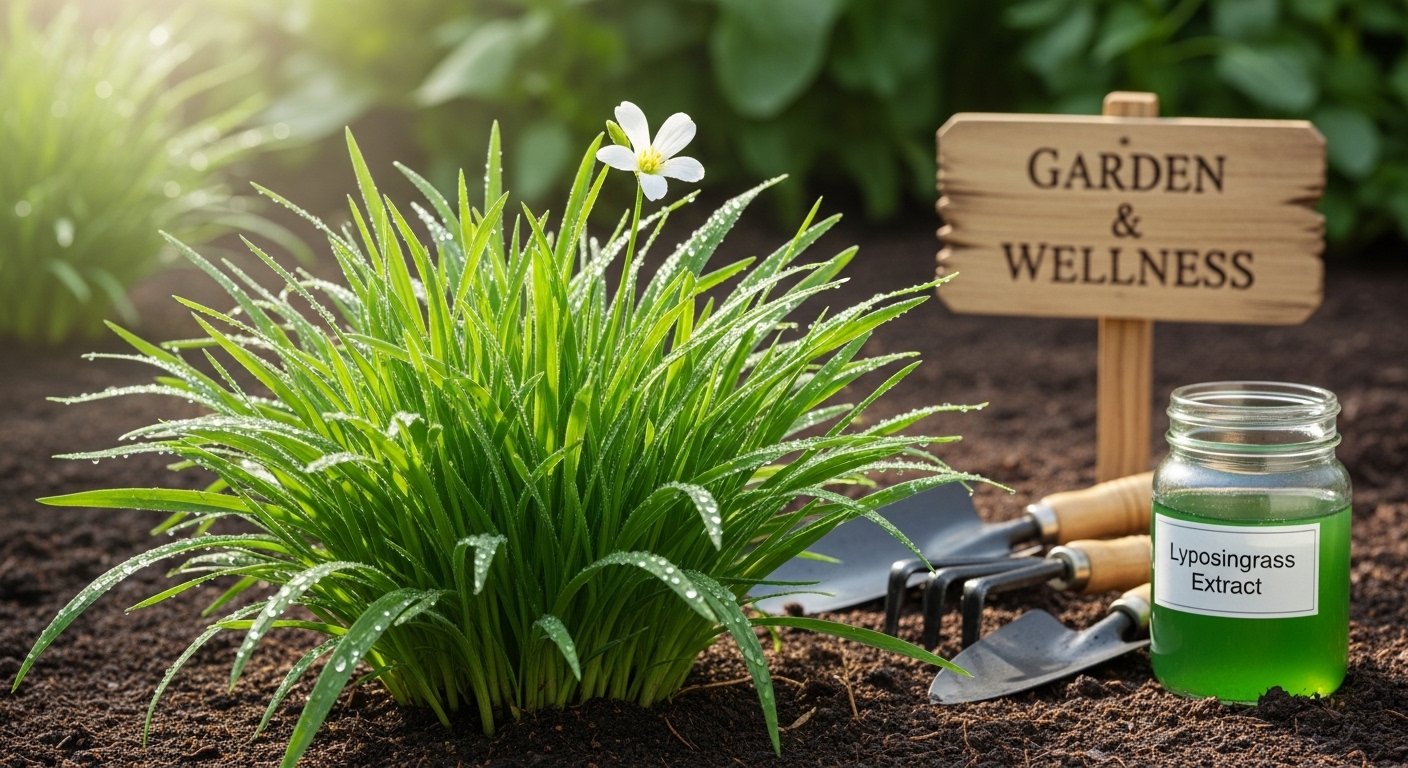
Lyposingrass is a versatile and vibrant green plant that belongs to the Gramineae family. Known for its rapid growth, adaptability, and rich nutritional profile, Lyposingrass has gained attention not only as an ornamental plant in gardens but also for its potential wellness benefits. From soil enrichment to traditional medicinal uses, this perennial plant offers a wide range of applications that make it a valuable addition to both gardening and holistic health practices.
Botanical Profile and Characteristics
Lyposingrass is a perennial grass that thrives in a variety of climates, making it highly adaptable to different soil types and environmental conditions. Its lush green leaves grow rapidly, creating a dense, aesthetically pleasing cover that enhances garden landscapes. The plant’s root system is robust, allowing it to stabilize soil and reduce erosion while simultaneously improving soil fertility. This dual function—beauty and soil health—makes Lyposingrass an ideal choice for sustainable gardening practices.
Its vibrant green hue and fine texture make it an attractive ornamental plant. It can be used in garden borders, lawns, or as a companion plant alongside flowers and shrubs. Its fast growth rate ensures quick coverage, providing a fresh, verdant appearance almost year-round in suitable climates.
Nutritional Profile and Health Benefits
One of the distinguishing features of Lyposingrass is its impressive nutritional composition. While primarily a garden plant, it has been used traditionally in wellness practices due to its potential health-promoting properties. Lyposingrass is rich in essential vitamins, minerals, and antioxidants. These nutrients are believed to support digestive health, boost vitality, and contribute to overall wellness.
Traditional medicine has often employed Lyposingrass in remedies for digestive discomfort, fatigue, and minor inflammation. While modern scientific research is still exploring the full range of its benefits, preliminary findings suggest that Lyposingrass contains bioactive compounds that may support gut health and energy metabolism. This makes it an intriguing plant not just for gardeners, but also for those interested in natural wellness solutions.
Gardening Uses and Advantages
Lyposingrass is highly prized in horticulture for its adaptability and rapid growth. Here are some of its primary gardening advantages:
-
Soil Improvement: The deep root system of Lyposingrass helps to aerate the soil, promote nutrient cycling, and prevent erosion. This makes it an excellent choice for rehabilitating degraded or compacted soils.
-
Low Maintenance: Lyposingrass is resilient and requires minimal care once established. Its ability to thrive in diverse soil types reduces the need for fertilizers or chemical interventions.
-
Aesthetic Appeal: Its bright green foliage and dense growth pattern enhance the visual appeal of gardens, lawns, and landscapes.
-
Companion Planting: Lyposingrass can act as a companion plant to vegetables, flowers, and shrubs, offering ground cover that conserves soil moisture and suppresses weeds.
Its versatility also makes it suitable for both residential gardens and larger agricultural or landscaping projects. In public parks and urban green spaces, Lyposingrass is often used to create visually appealing, eco-friendly ground cover that contributes to urban biodiversity.
Environmental Benefits
Beyond its aesthetic and health-related advantages, Lyposingrass plays a significant role in environmental sustainability. By stabilizing soil and preventing erosion, it helps protect landscapes from the negative effects of heavy rainfall or wind. Its ability to improve soil structure and fertility also contributes to healthier plant ecosystems.
Moreover, as a fast-growing perennial, Lyposingrass can sequester carbon and provide habitats for beneficial insects, birds, and microorganisms. These ecological contributions make it a valuable plant not only for individual gardeners but also for environmental conservation efforts.
Cultivation Tips
For those interested in cultivating Lyposingrass, some basic guidelines can help ensure healthy growth:
-
Soil: Well-drained soil with moderate fertility is ideal. Lyposingrass can adapt to a range of soil types, but it thrives best in slightly acidic to neutral pH.
-
Watering: Regular watering is necessary during the initial growth phase, but once established, Lyposingrass is fairly drought-tolerant.
-
Sunlight: It prefers full sun but can tolerate partial shade. Adequate sunlight enhances its vibrant green color and growth rate.
-
Spacing: For optimal coverage, plant Lyposingrass in clusters, leaving enough space for roots to expand and for proper air circulation.
Regular maintenance, such as trimming and occasional fertilization, can help maintain its aesthetic appeal and prevent overgrowth.
Traditional and Wellness Applications
Lyposingrass has a long history of use in traditional wellness practices. While its exact medicinal applications may vary regionally, some common uses include:
-
Digestive Support: Infusions or extracts of Lyposingrass are believed to support digestion and soothe minor gastrointestinal discomfort.
-
Energy and Vitality: Its nutrient-rich composition has made it a natural supplement for boosting energy levels and overall vitality.
-
Anti-Inflammatory Uses: Some traditional remedies utilize Lyposingrass for its potential anti-inflammatory properties, supporting joint and tissue health.
It is important to note that while Lyposingrass has traditional uses in wellness, scientific validation is ongoing. Anyone interested in using it for health purposes should consult a healthcare professional, especially if they have existing medical conditions or are taking medications.
Combining Garden Beauty and Wellness
Lyposingrass stands out as a plant that bridges the gap between ornamental gardening and natural wellness. Its lush green appearance enhances landscapes, while its nutritional and bioactive properties provide potential health benefits. Gardeners can enjoy the aesthetic rewards of a thriving Lyposingrass patch, knowing that it also contributes positively to soil health, environmental sustainability, and, potentially, personal well-being.
In urban environments, incorporating Lyposingrass into home gardens or community spaces creates a multifunctional green area. It not only beautifies surroundings but also promotes ecological balance, making it a holistic choice for sustainable living.
Conclusion
Lyposingrass is more than just a garden plant—it is a versatile, nutrient-rich species that offers benefits for both the environment and human wellness. Its rapid growth, adaptability, and soil-enhancing properties make it an excellent choice for gardeners, while its traditional uses in health practices highlight its potential as a natural wellness ally.
Whether you are looking to enrich your garden with vibrant greenery, improve soil health, or explore natural wellness options, Lyposingrass is a plant worth considering. With its unique combination of aesthetic, environmental, and health benefits, Lyposingrass truly embodies the synergy between nature and human well-being.