

Introduction
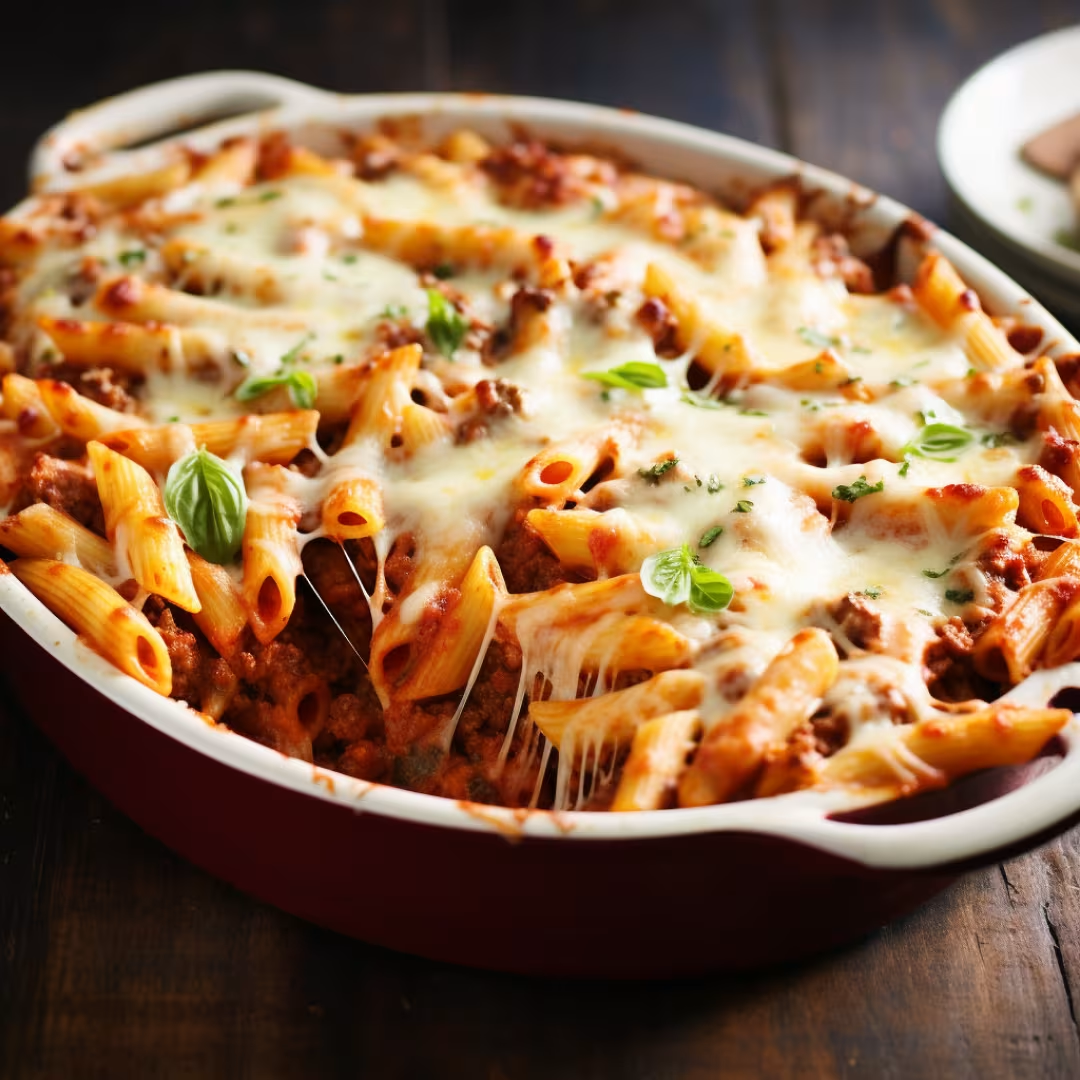
Mannacote is often understood as a regional or phonetic variation of the beloved Italian-American dish manicotti. While the spelling may differ, the dish it refers to is typically the same comforting, cheese-filled pasta baked in rich tomato sauce and topped with melted mozzarella.
Language evolves across regions, especially in immigrant communities. Over time, pronunciations shift — and “manicotti” can naturally become “mannacote” in certain dialects or family traditions.
The Origins of Manicotti
The traditional dish known as Manicotti comes from Italian culinary roots. The word “manicotti” means “little sleeves” in Italian, referring to the tube-shaped pasta shells that are stuffed before baking.
Italian immigrants brought this dish to the United States in the late 19th and early 20th centuries. Over time, it became a staple in Italian-American households, especially for Sunday dinners and holidays.
Why “Mannacote” Exists
Pronunciation shifts are common when languages blend. In many Italian-American communities:
-
Certain vowel sounds soften or change
-
Double consonants may be emphasized
-
Words adapt to regional American accents
As a result, “manicotti” (mah-nee-KOH-tee) may be pronounced more like “mannacote,” particularly in informal speech.
This is similar to how other Italian-American food names evolved over time in everyday conversation.
What Is Mannacote (Manicotti) Made Of?
Though the name may vary, the dish typically includes:
-
Tube-shaped pasta shells
-
Ricotta cheese filling
-
Parmesan cheese
-
Mozzarella cheese
-
Tomato sauce or marinara
-
Fresh herbs like parsley or basil
The pasta is stuffed with the cheese mixture, covered in sauce, topped with mozzarella, and baked until bubbly and golden.
Variations of the Dish
1. Spinach and Ricotta
A vegetarian favorite combining creamy cheese and leafy greens.
2. Meat-Filled
Ground beef or sausage added to the ricotta mixture for a heartier version.
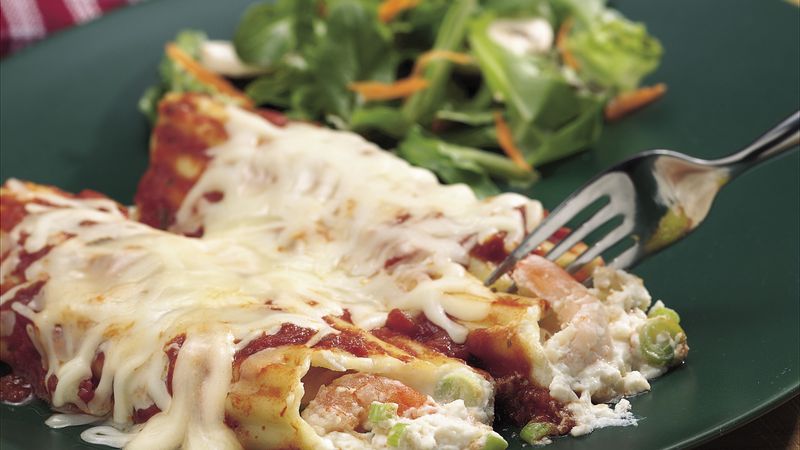
3. Seafood
Some coastal Italian-American families include crab or shrimp.
4. White Sauce (Alfredo-Style)
Instead of tomato sauce, a creamy béchamel or Alfredo sauce is used.
No matter the variation, the dish remains deeply comforting and rich.
Cultural Importance
In many Italian-American households, dishes like manicotti — or mannacote — are more than just food. They represent:
-
Family gatherings
-
Sunday dinners
-
Holiday traditions
-
Generational recipes passed down orally
The alternate spelling “mannacote” often reflects spoken tradition rather than written Italian. It’s a reminder that food culture lives through families and communities.
Mannacote vs. Cannelloni
Another similar Italian dish is Cannelloni. While both are stuffed pasta tubes, cannelloni is traditionally made with fresh pasta sheets rolled around the filling, whereas manicotti usually uses pre-formed pasta shells in Italian-American cuisine.
Despite these differences, the dishes are often used interchangeably in modern kitchens.
Conclusion
Mannacote is not a separate dish, but rather a regional or phonetic variation of manicotti — a beloved Italian-American baked pasta. Whether you call it manicotti or mannacote, the essence remains the same: creamy cheese filling, rich sauce, and oven-baked comfort.
Food traditions evolve with language, but the heart of the recipe stays intact — bringing families together around the table, one delicious bite at a time.