

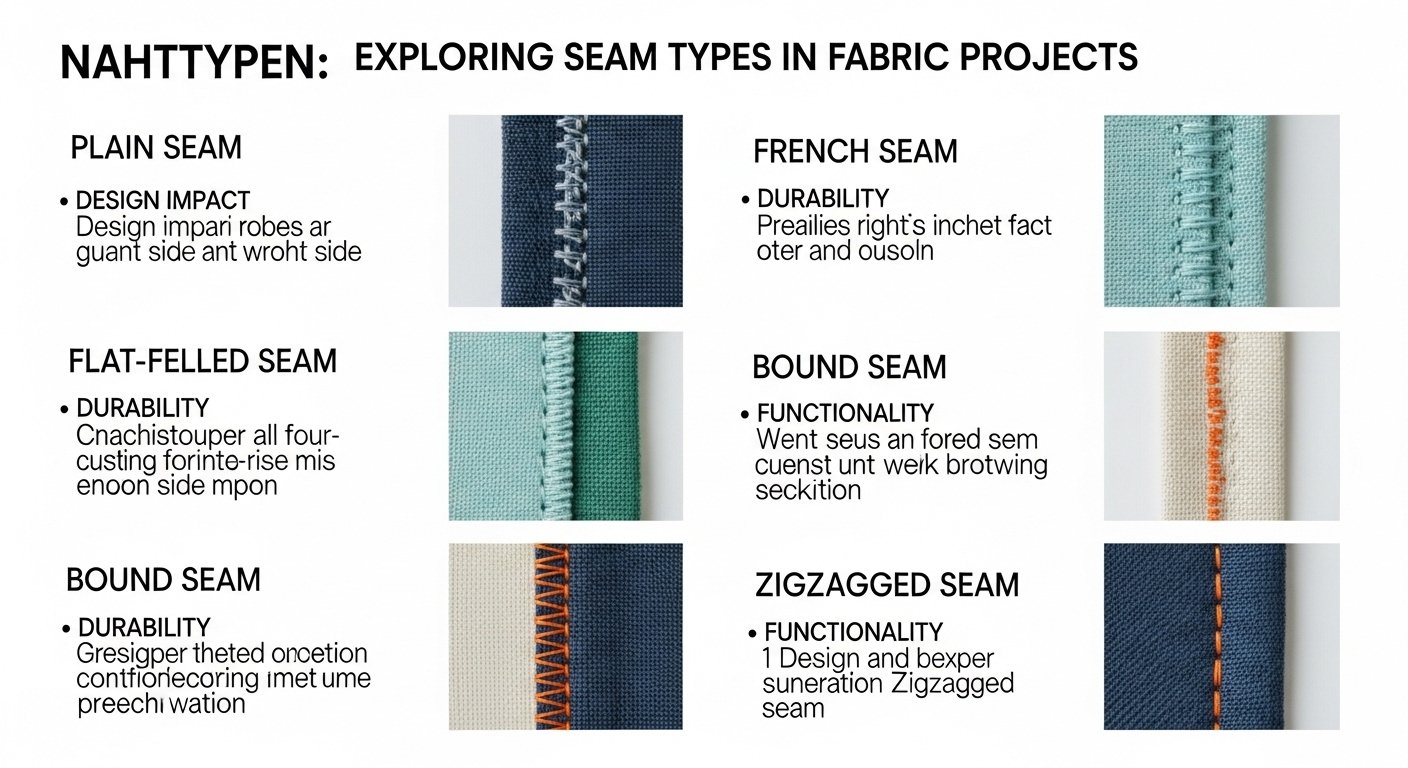
When it comes to sewing, the type of seam you choose can make all the difference in your project. The world of Nahttypen is vast and filled with options that cater to various needs and styles. From creating a comfortable garment to ensuring durability in high-stress areas, understanding these different seams is essential for every designer or DIY enthusiast.
Imagine crafting a piece that not only looks fantastic but also stands up to wear and tear. That’s where seam types come into play. Whether you’re stitching together delicate fabrics or tackling heavy materials, knowing which seam type suits your project best will elevate your work significantly.
Join us as we explore the fascinating realm of Nahttypen! Discover how each seam contributes uniquely to design aesthetics and functionality, empowering you to bring your sewing visions to life.
Importance of Choosing the Right Seam Type
The choice of seam type can make or break a garment. Each nahttyp serves a specific purpose and plays a pivotal role in the overall functionality of the design.
Choosing the right seam ensures durability. A well-constructed seam withstands stress and movement, extending the life of your clothing.
Consider comfort as well. Some seams lie flat against the skin, preventing irritation during wear. This is crucial for activewear or everyday garments that see much use.
Aesthetic appeal shouldn’t be overlooked either. The right seam can enhance visual interest, adding to the style without compromising quality.
Moreover, different fabrics call for different seams. Lightweight materials may require delicate stitching while heavier fabrics may need sturdier options to hold their shape effectively.
Understanding these nuances allows designers and sewists alike to elevate their work with informed decisions tailored to each project’s needs.
Understanding Different Nahttypen (Seam Types)
Seam types, or Nahttypen, are essential in garment construction. Each type serves a unique purpose and contributes to the overall look and function of a piece.
Flat seams lie flush against the fabric. They create smooth lines that are perfect for casual wear. Comfort is key with this style, making it ideal for everyday clothing.
French seams offer a touch of elegance. They encase raw edges within two rows of stitching. This not only enhances durability but also provides an exquisite finish that’s often seen in high-end garments.
Overlock seams stand out for their neatness. Commonly used in knitwear, they prevent fraying while allowing fabrics to stretch without losing shape.
Zigzag seams add flexibility to projects requiring movement. The pattern allows for elasticity, which is especially beneficial in activewear and fitted items.
Each seam type has its own character and functionality, influencing design choices greatly across various textiles.
Flat Seams: Versatile and Comfortable
Flat seams are a popular choice in both fashion and functional garments. Their design minimizes bulk, making them ideal for tight-fitting clothing. This is especially beneficial for activewear or undergarments where comfort is essential.
The construction of flat seams involves placing two fabric edges together, which creates a smooth finish on the inside and outside. This technique not only feels great against the skin but also reduces friction during movement.
Additionally, flat seams can be easily adapted to various fabrics, from lightweight knits to heavier materials. They offer versatility that designers love while ensuring wearers enjoy ease of movement.
Flat seams excel in casual wear as well as high-performance apparel. Their understated elegance means they seamlessly blend into any outfit without drawing attention away from the overall look.
French Seams: Elegant and Durable
French seams are a hallmark of elegance in garment construction. They are particularly favored for delicate fabrics, providing a polished finish that enhances any piece.
This seam type encases raw edges within the seam itself, effectively preventing fraying. The result is not only visually appealing but also significantly increases durability. Garments using French seams tend to withstand wear over time while maintaining their pristine appearance.
Creating a French seam requires precision and care. It involves sewing two rows of stitching—first with wrong sides together, followed by turning the fabric to sew again with right sides together. This meticulous process may take longer but pays off in terms of quality.
French seams shine in lightweight materials like chiffon or silk, where traditional finishes might be too bulky or visible. Choosing this method elevates your design, offering both beauty and resilience without sacrificing comfort.
Overlock Seams: Clean and Professional
Overlock seams are a favorite among professionals in the sewing world. They create a clean, finished look that elevates any garment. These seams not only enhance aesthetics but also add durability to the fabric.
The unique stitch technique wraps around the edge of the fabric, preventing fraying and ensuring longevity. This makes overlock seams ideal for knitwear and stretch fabrics, where flexibility is essential.
Using an overlocker machine streamlines this process, allowing for speed without sacrificing quality. The result is a polished finish that looks as good on the inside as it does on the outside.
Many designers favor overlock seams for their ability to handle various materials effortlessly. From lightweight chiffons to heavier denims, these seams adapt well while maintaining structural integrity and style.
Zigzag Seams: Stretchy and Functional
Zigzag seams are a favorite among many fabric enthusiasts. Their unique design offers flexibility, making them perfect for stretchy materials. When you need your garment to move with you, zigzag seams deliver.
These seams prevent fraying while allowing the fabric to stretch without restrictions. This is particularly important in activewear and fitted garments where movement is key.
Not only do they provide functionality, but they also add an interesting visual element. The distinctive pattern can enhance the overall aesthetic of a piece.
Using a zigzag seam can be a game-changer in sewing projects. It balances practicality with style effortlessly, ensuring that your creations not only look good but also perform well under pressure.
Conclusion:
Choosing the right Nahttypen can significantly influence both the aesthetic and functionality of your sewing projects. Each seam type offers unique benefits that cater to different fabrics, uses, and design goals.
Flat seams provide a comfortable finish, making them ideal for garments worn close to the skin. French seams add an elegant touch while ensuring durability—perfect for delicate fabrics that require extra care. Overlock seams not only create clean edges but also prevent fraying, lending professionalism to any piece. Meanwhile, zigzag seams offer flexibility and stretch needed for activewear or items requiring movement.
Understanding these various seam types allows you to make informed decisions about your designs. Tailoring your approach based on the specific needs of each project will elevate your creations in both style and function. Embrace the diverse world of Nahttypen; it opens doors to endless creative possibilities in sewing!