

Plastic waste is choking our planet. Single-use plastic lids, once an overlooked convenience, are now a major environmental concern. Each year, millions of these tiny offenders end up in landfills and oceans, contributing to the growing crisis of pollution and wildlife harm. It’s time for change.
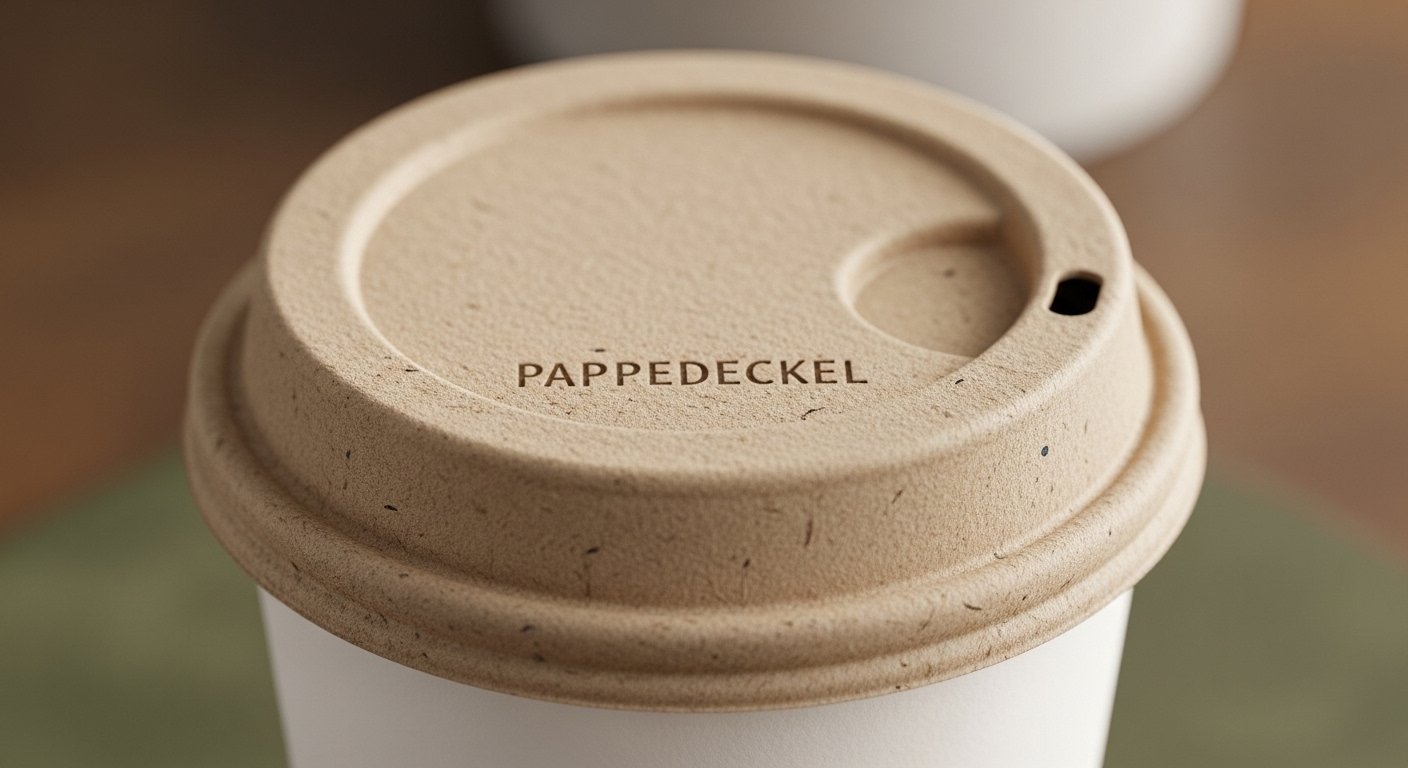
Enter Pappedeckel—a revolutionary solution poised to replace traditional plastic lids with a sustainable alternative made from cardboard. This innovative product not only addresses the pressing issue of plastic waste but also offers an eco-friendly option for businesses looking to make responsible choices.
Curious about how Pappedeckel works? Let’s dive deeper into this greener way forward!
The Problem with Plastic Lids
Plastic lids are ubiquitous. You find them on cups, containers, and bottles everywhere. But these small items carry a heavy environmental burden.
Every year, billions of plastic lids are discarded. Many end up in landfills where they take centuries to decompose. The problem doesn’t stop there; many escape into our oceans, contributing to the vast islands of trash that harm marine life.
Wildlife often mistakes these plastics for food. Sea turtles ingest them thinking they’re jellyfish, while birds feed their chicks bits of broken plastic instead of nutritious meals.
Recycling efforts can’t keep up with the sheer volume produced. Most recycling facilities struggle with contamination and lack the capacity to handle every type of plastic lid effectively.
The reliance on single-use plastics is unsustainable and damaging to our planet’s health. Innovative solutions are urgently needed to shift this trend toward something more eco-friendly.
Introducing Pappedeckel – A Sustainable Solution
Meet Pappedeckel, the innovative alternative to traditional plastic lids. Designed with sustainability in mind, this cardboard solution is transforming how we think about packaging.
Unlike plastic, Pappedeckel is made entirely from renewable resources. This means every lid produced helps reduce our reliance on fossil fuels and minimizes environmental impact.
Crafted for durability and functionality, Pappedeckel doesn’t compromise on quality. It’s designed to fit a variety of containers while maintaining freshness and integrity.
The beauty of Pappedeckel lies not just in its materials but also in its versatility. From coffee cups to food containers, it adapts seamlessly across multiple industries.
As consumers become more eco-conscious, solutions like Pappedeckel are leading the charge toward a greener future. With each use, we’re one step closer to reducing waste and protecting our planet for generations to come.
How Pappedeckel is Made
Pappedeckel begins its journey with sustainable materials, primarily sourced from recycled cardboard. This choice not only minimizes waste but also reduces the demand for virgin resources.
The manufacturing process involves an innovative design that allows for efficient use of materials. Each lid is crafted to ensure durability while remaining lightweight, making it ideal for a variety of applications.
Once shaped and cut, Pappedeckel undergoes a treatment process that enhances its moisture resistance. This ensures that the lids can withstand different environments without compromising their structural integrity.
After quality checks, these eco-friendly lids are ready for distribution. They seamlessly integrate into businesses looking to reduce their carbon footprint while providing a reliable packaging solution.
With each step in production carefully considered, Pappedeckel stands as a testament to modern sustainability practices in packaging.
Benefits of Using Pappedeckel
Pappedeckel offers various advantages that set it apart from traditional plastic lids. For starters, it’s made entirely from renewable materials, making it an eco-friendly choice for businesses aiming to reduce their carbon footprint.
Another significant benefit is its biodegradability. When disposed of properly, Pappedeckel breaks down naturally, leaving no harmful residues behind. This helps combat the growing problem of landfill waste and ocean pollution.
Moreover, using Pappedeckel enhances brand image. Companies adopting sustainable packaging resonate with environmentally conscious consumers who prefer brands committed to reducing environmental impact.
The lightweight nature of Pappedeckel also contributes to lower shipping costs and reduced energy consumption during transportation.
Additionally, its versatility means it can be used across various food and beverage sectors without compromising quality or functionality.
Case Studies of Companies Implementing Pappedeckel
Several companies are pioneering the use of Pappedeckel, showcasing its potential in real-world applications. A popular coffee chain recently replaced their plastic lids with these eco-friendly cardboard alternatives. Customers appreciated the shift, noting the brand’s commitment to sustainability.
In another instance, a local bakery adopted Pappedeckel for their takeout containers. The switch not only aligned with their green values but also sparked conversations about sustainable practices within the community. Customers enjoyed sharing photos of their eco-conscious choices on social media.
An emerging startup focused on meal kits also embraced Pappedeckel as part of its packaging strategy. By prioritizing biodegradable materials, they attracted environmentally conscious consumers keen to reduce waste while enjoying convenient meals at home.
These case studies highlight how diverse industries can benefit from integrating this innovative solution into everyday operations. They reflect an industry-wide movement toward more responsible packaging solutions that resonate with modern consumers’ values.
Future of Sustainable Packaging and the Role of Pappedeckel
The future of sustainable packaging is bright, and Pappedeckel stands at the forefront. As consumers increasingly prioritize eco-friendly options, cardboard lids are becoming a go-to choice for many businesses.
These innovative lids not only reduce plastic waste but also enhance recyclability. With advancements in materials science, the durability and functionality of Pappedeckel continue to evolve.
Companies that adopt this solution can strengthen their brand image by showcasing commitment to sustainability. This alignment with consumer values fosters loyalty and trust.
Moreover, as regulations around single-use plastics tighten worldwide, Pappedeckel offers a compliant alternative. It positions businesses ahead of market trends while contributing positively to environmental goals.
As industries strive for greener practices, solutions like Pappedeckel will play an essential role in shaping the landscape of sustainable packaging moving forward. The transition towards more responsible choices is underway—one lid at a time.
Conclusion
As the world shifts towards more sustainable practices, products like Pappedeckel are paving the way for a greener future. The movement to eliminate plastic is gaining momentum, and innovative solutions such as these cardboard lids provide practical alternatives that businesses can adopt with ease.
Pappedeckel not only reduces our reliance on harmful plastics but also showcases how materials can be repurposed effectively. Companies that have integrated this solution into their packaging strategies report increased customer satisfaction and brand loyalty. Consumers today are more environmentally conscious than ever, favoring brands that prioritize sustainability.
Looking ahead, Pappedeckel represents much more than just a product; it embodies a shift in consumer behavior and industry standards. As organizations continue to explore eco-friendly options, the demand for sustainable packaging will likely grow further.
The transition toward green solutions is essential for preserving our planet. By embracing innovations like Pappedeckel, we can take significant strides in reducing waste and promoting environmental responsibility across various industries.