

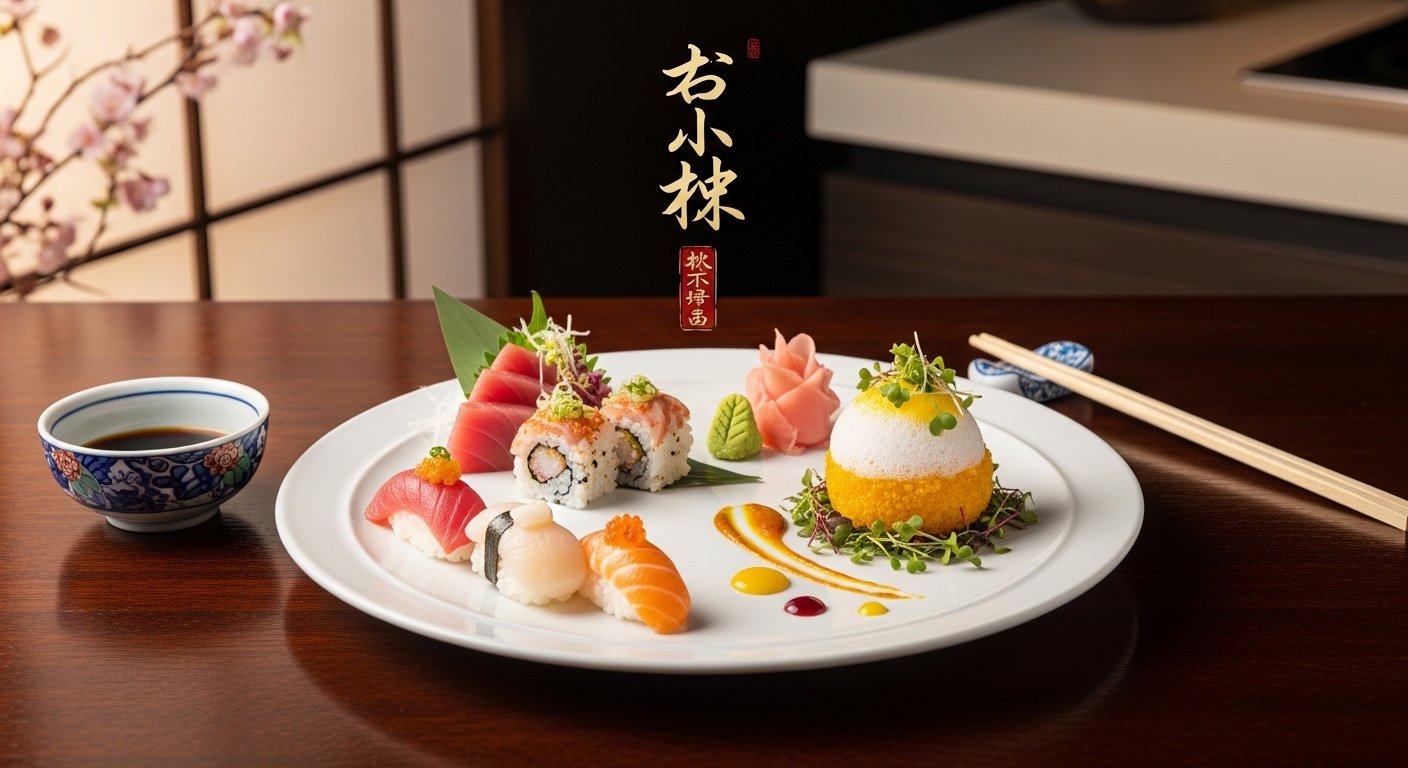
Soutaipasu is more than just a culinary style; it is a philosophy, a tradition, and a celebration of the harmony between food, culture, and nature. Rooted in centuries-old practices, Soutaipasu emphasizes balance, cultural heritage, and natural cooking methods, making it a unique approach in the modern culinary world. At a time when fast food and artificial ingredients dominate much of the global food scene, Soutaipasu reminds us of the deep connection between what we eat, how it is prepared, and the traditions it carries.
Origins and Cultural Roots
The origins of Soutaipasu can be traced back to communities that valued sustainability and mindful eating. It grew in regions where seasonal produce and locally sourced ingredients were central to daily life. These communities understood that food was not just sustenance but a reflection of their environment, social structures, and spiritual beliefs.
Soutaipasu embodies a respect for natural cycles and the cultural significance of each ingredient. Traditional recipes are passed down through generations, preserving culinary techniques that highlight simplicity and harmony rather than complexity or extravagance. Unlike many modern cuisines, which prioritize speed and mass production, Soutaipasu emphasizes the value of time, patience, and attention to detail in every dish.
The Philosophy of Balance
Balance is the cornerstone of Soutaipasu. This principle applies on multiple levels: flavor, nutrition, aesthetics, and even the energy food brings to the body. Dishes are designed to achieve equilibrium—sweetness, bitterness, sourness, and umami are carefully combined to create harmonious flavors. This balance is not only about taste but also about nourishment; each meal aims to provide a well-rounded dietary profile.
In addition to flavor balance, Soutaipasu focuses on the harmony between humans and nature. Ingredients are chosen for their seasonal availability and natural origins. Chemical additives, artificial flavors, and heavily processed foods are intentionally avoided. This approach not only preserves the integrity of the food but also honors the environment from which it comes. By emphasizing seasonal and local ingredients, Soutaipasu fosters a sustainable relationship with the land and a mindful awareness of ecological impact.
Natural Cooking Methods
Central to Soutaipasu is the use of natural cooking methods. Traditional techniques such as steaming, slow roasting, fermenting, and grilling are preferred over modern, industrialized cooking methods. These techniques are designed to bring out the natural flavors of the ingredients, rather than masking them with heavy sauces or artificial enhancements.
For example, vegetables in Soutaipasu are often lightly steamed to preserve nutrients and flavor, while grains are cooked to retain their natural texture and aroma. Fermented foods, a hallmark of this culinary style, are prepared using time-honored methods that enhance both taste and digestibility. The focus on natural preparation ensures that each dish maintains its original character, allowing diners to experience the food in its purest form.
Cultural Heritage Through Cuisine
Soutaipasu is deeply tied to cultural heritage. It acts as a vessel for storytelling, carrying the history, rituals, and traditions of the communities that developed it. Each dish often has a story or significance that connects it to a specific region, season, or cultural practice. In many ways, eating Soutaipasu is a way of participating in a living history, preserving cultural identity while nourishing the body.
This connection to heritage is also reflected in the presentation of dishes. Meals are thoughtfully arranged to respect aesthetic principles, with attention to color, shape, and harmony on the plate. Eating Soutaipasu is intended to be a holistic experience—engaging not just taste but also sight, smell, and even a sense of spiritual connection.
Health and Wellness Benefits
Another remarkable aspect of Soutaipasu is its contribution to health and wellness. By prioritizing natural ingredients, balanced nutrition, and mindful cooking methods, this culinary style supports overall well-being. Meals are designed to be light, digestible, and energizing, avoiding excessive fats, sugars, or artificial additives.
Furthermore, the emphasis on seasonal and local ingredients ensures that meals are aligned with the body’s natural needs throughout the year. For instance, certain herbs or vegetables are included in recipes to enhance immunity in winter or to provide cooling effects in summer. This integration of food and natural cycles reinforces the holistic philosophy that defines Soutaipasu.
Modern Adaptations and Global Influence
While rooted in tradition, Soutaipasu is not limited to historical contexts. In today’s global culinary landscape, chefs and home cooks alike are embracing Soutaipasu principles to create innovative yet balanced dishes. Its focus on natural ingredients, seasonality, and sustainable practices resonates strongly with modern audiences who seek health-conscious and environmentally responsible dining options.
In contemporary kitchens, Soutaipasu can inspire everything from casual meals to haute cuisine. Chefs incorporate local superfoods, adapt traditional recipes for modern diets, and present dishes in aesthetically pleasing ways that reflect the harmony and balance at the heart of this culinary style. Its influence is increasingly visible in farm-to-table restaurants, wellness-focused eateries, and cooking workshops that aim to teach mindful eating practices.
Conclusion
Soutaipasu is more than just a method of cooking; it is a celebration of life, culture, and the natural world. By embracing balance, honoring cultural heritage, and employing natural cooking methods, it offers a holistic approach to food that nourishes both body and soul. In an era dominated by fast-paced lifestyles and artificial ingredients, Soutaipasu provides a refreshing reminder of the beauty of simplicity, mindfulness, and respect for tradition.
Whether experienced in a traditional setting or adapted to modern culinary contexts, Soutaipasu remains a testament to the enduring power of food as a bridge between people, culture, and nature. Each dish tells a story, each meal fosters well-being, and every ingredient reflects a deep connection to the world around us. Embracing Soutaipasu is not just about eating—it is about honoring a legacy, celebrating balance, and cultivating a mindful relationship with the food that sustains us.