

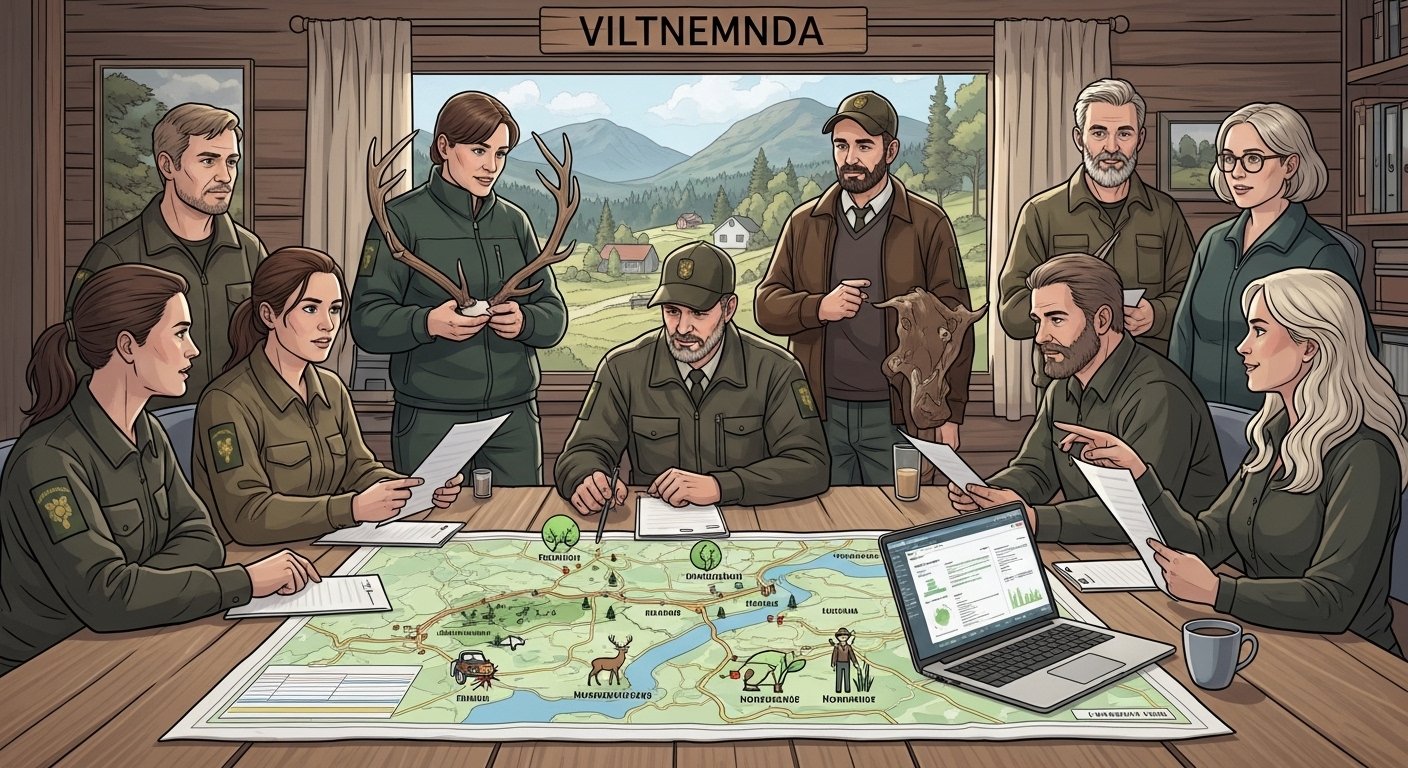
Wildlife is an integral part of our ecosystem, contributing to the beauty and balance of nature. However, as human populations grow and expand into natural habitats, conflicts between people and wildlife become more common. This is where Viltnemnda steps in—a dedicated entity focused on managing these interactions effectively. With a mission rooted in sustainability and coexistence, Viltnemnda serves as a bridge between humans and animals, ensuring both can thrive together. In this blog post, we’ll explore the vital role that Viltnemnda plays in wildlife management, tackling human-wildlife conflicts head-on while promoting responsible hunting practices. Join us as we dive deeper into the initiatives that make this organization essential for communities everywhere!
The Role of Viltnemnda in Wildlife Management
Viltnemnda plays a crucial role in shaping wildlife management strategies. This organization serves as a bridge between conservation efforts and community interests.
By assessing local ecosystems, Viltnemnda develops plans that promote biodiversity while considering human activities. This balanced approach ensures sustainable practices for both wildlife and people living nearby.
The committee collaborates with various stakeholders, including environmental agencies and hunters. Their collective input helps craft regulations that are both effective and practical.
Education is another vital aspect of their mission. By informing the public about local wildlife dynamics, they help foster respect for nature and encourage responsible behavior among residents.
Through adaptive management techniques, Viltnemnda continually assesses the effectiveness of its initiatives. This flexibility allows them to respond promptly to changing conditions in habitats or populations, ensuring ongoing success in wildlife preservation efforts.
Addressing Human-Wildlife Conflicts
Human-wildlife conflicts are a growing concern as urban areas expand into natural habitats. Animals like deer, bears, and raccoons often venture into human territory in search of food. This can lead to property damage and safety risks.
Viltnemnda plays a crucial role in mitigating these issues. They implement strategies such as community education programs that teach people how to coexist with wildlife. Simple measures like securing trash cans or using fencing can significantly reduce encounters.
Additionally, Viltnemnda collaborates with local authorities to monitor wildlife movements through tracking technologies. Understanding animal behavior helps predict when conflicts might arise.
When necessary, they may also intervene by relocating animals or providing support for more humane solutions. Addressing these conflicts is not just about protection; it’s about fostering respect for the ecosystem we share and ensuring both humans and wildlife thrive together.
Hunting Regulations and Policies
Hunting regulations and policies play a crucial role in maintaining ecological balance. They ensure that wildlife populations remain sustainable while providing recreational opportunities for hunters.
Viltnemnda enforces these regulations, which include hunting seasons, bag limits, and species protection measures. These rules are carefully crafted based on scientific research and population assessments.
Moreover, education is key to successful hunting practices. Training programs inform hunters about ethical standards and responsible behavior in the field. This fosters respect for wildlife and promotes conservation efforts.
Collaboration with local authorities also shapes effective policies. Viltnemnda works closely with relevant stakeholders to address concerns surrounding hunting activities and their impact on both humans and animals.
By adhering to these guidelines, hunters contribute positively to biodiversity preservation while enjoying nature’s bounty responsibly.
Collaborating with Local Communities
Effective wildlife management hinges on collaboration with local communities. Engaging these groups fosters a sense of ownership and responsibility towards nature.
Local residents often possess invaluable knowledge about the ecosystem. Their insights can guide Viltnemnda in understanding animal behaviors, migration patterns, and habitat needs. This grassroots approach builds trust between agencies and communities.
Educational programs play a crucial role in promoting coexistence. Workshops that raise awareness about wildlife conservation encourage community participation. When people feel informed, they are more likely to support regulations.
Moreover, involving locals in decision-making processes creates transparency. When community voices are heard, policies gain broader acceptance and effectiveness.
Collaborative projects can also lead to innovative solutions for human-wildlife conflicts. These partnerships not only preserve wildlife but also enhance local livelihoods through sustainable practices like eco-tourism or responsible hunting initiatives.
Case Studies of Successful Viltnemnda Initiatives
One notable case study involves Viltnemnda’s efforts in the Gudbrandsdal Valley. Here, they introduced a program aimed at reducing moose-related road accidents. By collaborating with local authorities, they implemented wildlife crossing signs and enhanced communication strategies with drivers.
Another successful initiative took place in coastal areas where deer populations were rising rapidly. Viltnemnda established community-based hunting days that encouraged residents to participate actively in managing the population while promoting sustainable practices.
In southern regions, an innovative approach to human-wildlife conflicts was undertaken with beekeepers. Viltnemnda partnered with them to create protective fencing and educational workshops on coexisting peacefully with bears, resulting in reduced livestock losses.
These initiatives showcase how tailored solutions can effectively address specific wildlife management issues while engaging communities and fostering a sense of shared responsibility for local ecosystems.
Challenges and Future Outlook
Viltnemnda faces numerous challenges as it strives to balance wildlife management with the needs of local communities. Rapid urbanization and habitat destruction pose significant threats to animal populations. As natural spaces dwindle, conflicts between humans and wildlife increase.
Additionally, climate change adds another layer of complexity. Shifting ecosystems can lead to unpredictable animal behaviors and migration patterns. This may result in more frequent encounters between wildlife and human settlements.
Public perception also plays a crucial role. Misunderstandings about hunting practices or wildlife conservation efforts can create tension within communities. Education is essential for fostering cooperation among stakeholders.
Looking ahead, Viltnemnda must focus on innovative solutions that embrace technology and community involvement. Engaging local voices will be critical in developing effective strategies for coexistence that benefit both people and animals alike. Collaboration across sectors could pave the way for sustainable practices that address these pressing issues head-on.
Conclusion
Viltnemnda plays a pivotal role in maintaining the balance between wildlife and human interests. As we navigate an increasingly complex relationship with nature, their initiatives prove essential for fostering coexistence. By addressing human-wildlife conflicts and implementing thoughtful hunting regulations, Viltnemnda ensures both animal populations and community safety are prioritized.
Collaboration with local communities enriches decision-making processes, drawing on the knowledge of those most affected by wildlife issues. Case studies highlight successful strategies that can serve as models for future efforts. However, challenges remain in adapting to changing ecosystems and public perceptions.
As society moves forward, embracing sustainable practices will be key to ensuring that wildlife thrives alongside human development. The efforts of Viltnemnda will continue to be crucial in shaping a harmonious relationship between people and the diverse species they share their environment with.